

What Thoracic Outlet Syndrome Is
The thoracic outlet is the space between the collarbone and the first rib through which the major nerves and blood vessels to the arm pass. The brachial plexus, the nerve network that controls sensation and movement in the arm and hand, travels through this narrow passage, as do the subclavian artery and vein. When this space is reduced, these structures are compressed. The result is thoracic outlet syndrome.
The symptoms vary depending on which structure is primarily compressed. Neurogenic TOS, compression of the brachial plexus, is by far the most common type and produces numbness, tingling, and weakness in the arm, hand, and fingers. The numbness is often in the ring and little finger, following the C8 and T1 nerve distribution. Symptoms worsen with overhead arm positions and often appear at night when sleeping with the arm raised.
TOS is frequently misdiagnosed as carpal tunnel syndrome, cervical radiculopathy, or a rotator cuff injury, all of which can produce similar arm and hand symptoms. The distinguishing feature of TOS is that symptoms are provoked by specific arm positions and are not reproduced by neck or wrist loading alone.
Why Posture Is the Primary Cause
The thoracic outlet space is directly affected by shoulder and thoracic position. When the shoulder is in a neutral position with the scapula retracted and the clavicle in its natural elevation, the outlet has sufficient space for the structures passing through it.
When the shoulder rounds forward, the default position produced by desk work, driving, and anterior-chain-dominant sport, several things happen simultaneously. The clavicle depresses and moves forward, reducing the anterior outlet space. The first rib elevates as scalene muscles tighten to stabilize a forward-head posture. The pectoralis minor shortens, compressing the outlet from the front. These three changes reduce the thoracic outlet to a fraction of its neutral size.
The forward head posture that drives these changes is itself driven by thoracic kyphosis, which is driven by anterior chain dominance, which is driven by the modern seated lifestyle. TOS is, in a real sense, a downstream consequence of the same structural pattern that produces shoulder pain, rounded shoulders, and forward head posture. All of these conditions share the same structural driver and respond to the same structural correction.
Correcting the Structure
The approach to TOS through postural correction focuses on the same thoracic and scapular work that addresses shoulder pain and forward head posture, because the structural problem is the same.
Thoracic extension is the foundational intervention. When the thoracic spine can extend, the clavicle elevates naturally, the scalenes reduce their compensatory tension, and the outlet expands. Extension over a foam roller, performed at the level of the mid-thoracic spine, directly addresses the kyphotic segment most responsible for outlet reduction.
Scalene release, gentle stretching of the anterior and middle scalene muscles, reduces the first rib elevation that narrows the outlet from above. This must be done after thoracic extension work, because the scalenes are tight partly in response to the forward head position. Release without structural correction produces temporary improvement.
Pectoralis minor release reduces the anterior compression of the outlet. The pec minor is the anterior anchor of the scapula; when it is shortened, it pulls the scapula into anterior tilt and closes the outlet from the front.
Finally, lower trapezius activation and scapular retraction work restores the posterior stabilization that holds the shoulder in its proper position, maintaining the outlet space during upper extremity activity.
The Shoulder Pain Relief and Shoulder and Neck Reset programs address this structural chain. Most people with early to moderate neurogenic TOS see significant symptom reduction within four to six weeks of consistent structural work.
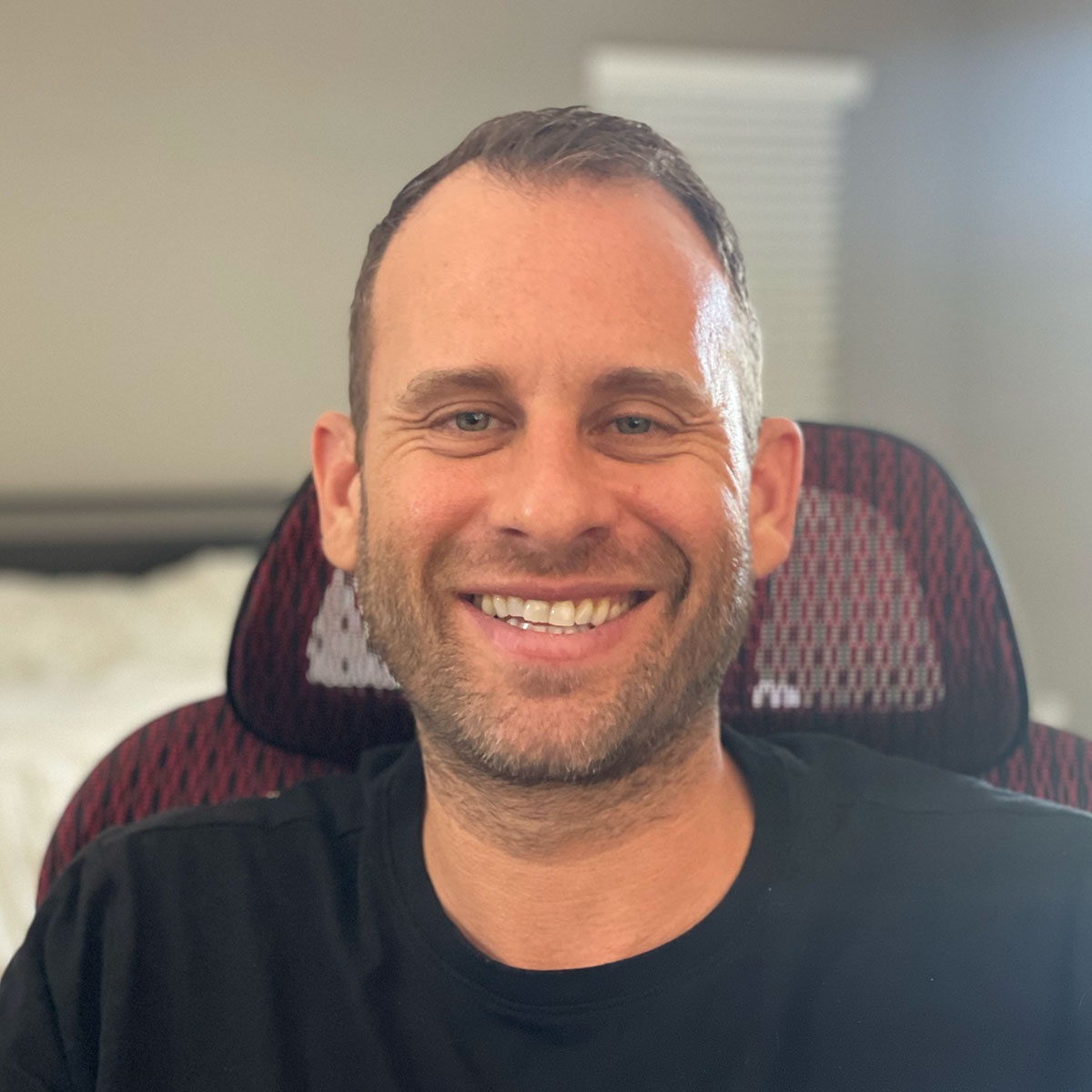
Mike Boshnack
Corrective Exercise Specialist · Posture Guy Mike
Mike Boshnack grew up skateboarding and surfing, trained MMA, and rode road bikes competitively. A shoulder injury put him on a path to discover corrective exercise. He has since helped thousands of people fix the structural patterns causing their pain, without surgery or passive treatments.
Keep Reading
Conditions & Pain
Dentists and Hygienists: Your Neck Is Paying for Every Patient You Lean Over
4 min read
Conditions & Pain
Why Your Neck Cracks When You Turn Your Head (And What It's Really Telling You)
4 min read
Conditions & Pain
Levator Scapulae Pain: Why That Knot Between Your Neck and Shoulder Blade Won't Quit
4 min read
Related Conditions
Free tool
See where your posture stands right now.
Upload a photo and get an instant AI-powered posture analysis with personalized recommendations. Free, no account required.
Try the Free Posture CheckTake the next step
Fix the structural root cause, not just the symptom.
Mike's programs apply this corrective method to your specific condition. No gym, no equipment. Just a floor and 15 minutes. Buy once, own forever.
Discussion
Discussion is a Pro member feature. Visit the community for more.