
Condition Guide
Back Pain
The #1 cause of disability worldwide, and almost always postural.
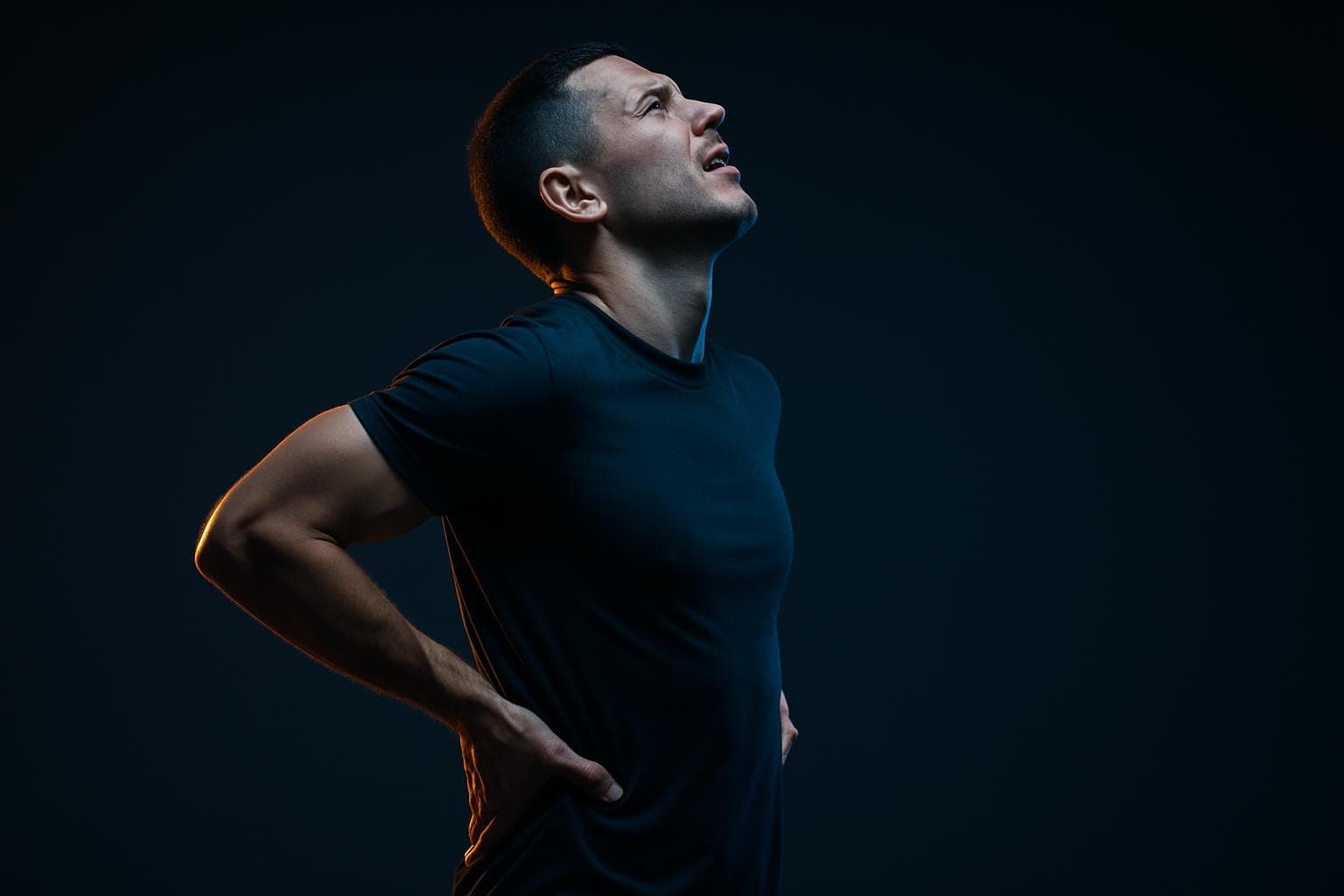
What is Back Pain?
Back pain is the leading cause of disability worldwide, affecting 80% of adults at some point in their lives. Despite its prevalence, most chronic non-specific back pain, pain without a clear structural pathology like a fracture or tumour, is driven by postural and biomechanical factors. This is good news: it means it can be addressed with corrective exercise, without relying on medication, injections, or surgery.
Common Symptoms
- Dull ache or sharp pain in the lower back
- Pain that worsens after sitting for long periods
- Morning stiffness that eases through the day
- Pain radiating into the glutes or legs (sciatica pattern)
- Lower back spasms with certain movements
- Inability to stand or sit in one position for long
The Real Root Cause
The most common structural driver of lower back pain is anterior pelvic tilt combined with lumbar hyperextension, the pelvis tilts forward, increasing the lordotic curve of the lower back. This compresses the posterior lumbar facet joints and stresses the lumbar discs. Weak core and inhibited glutes fail to stabilise the pelvis, causing the erector spinae to overwork and spasm. The disc herniations and degenerative changes seen on MRI are often the result of this chronic mechanical stress, not the primary cause of pain.
How We Fix It
The Lower Back Pain Relief program addresses the structural chain driving lumbar compression: correcting pelvic tilt, activating the deep core stabilisers and glutes, releasing the tight hip flexors and thoracolumbar fascia, and restoring pain-free spinal movement patterns.
Decompress the lumbar spine
Specific decompression drills create space in the lumbar joints, providing immediate relief while the structural work begins.
Activate deep core stabilisers
The transverse abdominis and multifidus, the true lumbar stabilisers, are inhibited in chronic back pain. Reactivating them is foundational.
Correct pelvic tilt
Returning the pelvis to neutral removes the chronic compression on the posterior lumbar joints and discs.
Release hip flexors and QL
The hip flexors and quadratus lumborum are commonly shortened and overactive. Releasing them reduces the anterior pull on the lumbar spine.
The Fix It Program
Lower Back Pain Relief
Everything you need to correct back pain, step-by-step video exercises, structured progressions, and the exact sequence Mike uses with clients.
Frequently Asked Questions
My MRI shows a herniated disc. Do I still need corrective exercise?
Yes, and it's often more effective than surgery. Multiple large studies show that exercise therapy for disc herniation produces equal or better long-term outcomes than surgical intervention. The disc itself heals; the structural drivers need to be addressed.
Is it safe to exercise with back pain?
The right exercise is not only safe, it's the best thing you can do. Bed rest and avoidance worsen most chronic back pain. The Lower Back Pain Relief program is designed to be pain-free throughout.
How long before I feel relief?
Most people experience meaningful reduction in pain within 2 weeks. Full structural correction takes 8–12 weeks of consistent work.
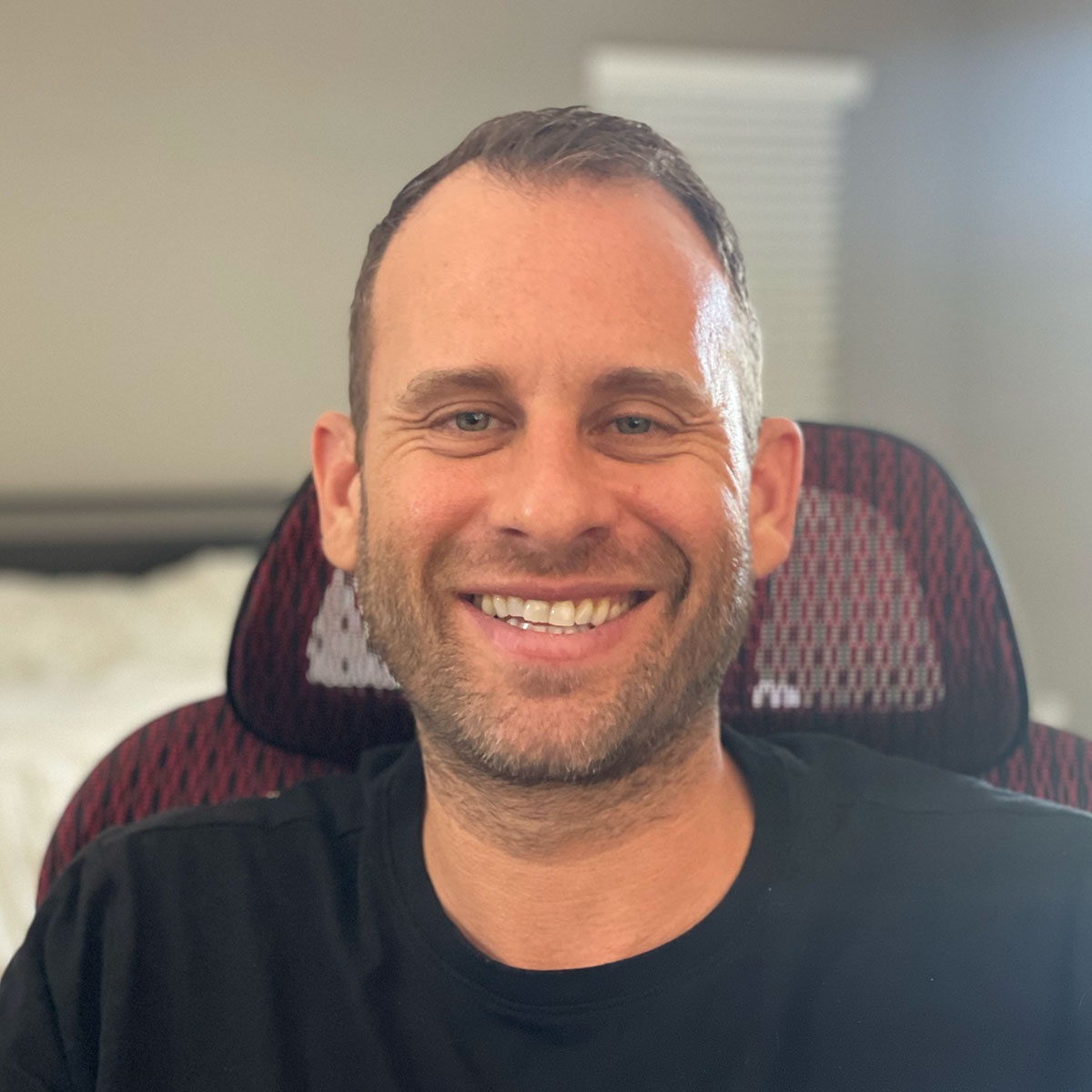
Written by Mike Boshnack
Corrective Exercise Specialist · Posture Guy Mike
Mike Boshnack grew up skateboarding and surfing, trained MMA, and rode road bikes competitively, before a shoulder injury put him on a path to postural correction. He's since helped thousands of people fix the structural root causes of chronic pain, without surgery or passive treatments.
From the Blog
All articles →Conditions & Pain
Posture Exercises for Back Pain: Why Your Lower Back Is the Victim, Not the Cause
9 min read
Daily Life
Why You Wake Up Stiff Every Morning (And What to Do About It)
7 min read
Daily Life
"Sitting Is the New Smoking": Is That Actually True?
7 min read
Corrective Method
Static Back Exercise Benefits: Why This Simple Position Changes Everything
10 min read