
Condition Guide
Knee Pain
Most knee pain isn't a knee problem, it's a hip and ankle problem.
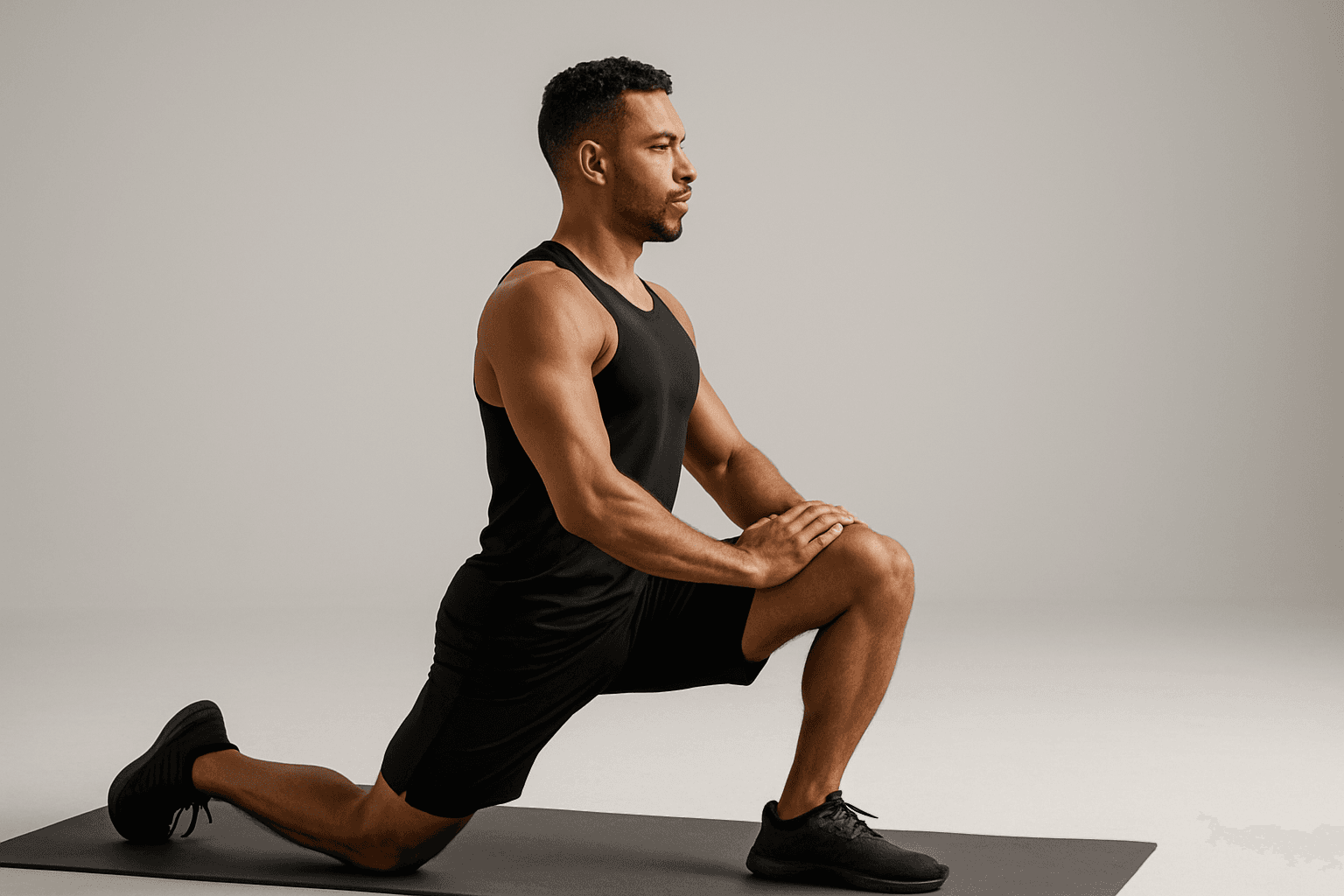
What is Knee Pain?
Knee pain is one of the most common musculoskeletal complaints, but in the majority of cases, the knee itself is not the primary problem. The knee is a hinge joint that sits between the hip and the ankle. When either the hip (above) or the ankle (below) is misaligned, the knee absorbs compensatory forces it was never designed to handle. Most chronic, non-traumatic knee pain is a hip-alignment problem presenting at the knee.
Common Symptoms
- Pain at the front of the knee (patellar tendon, IT band)
- Inner knee pain (medial compartment)
- Knee pain that worsens going up or down stairs
- Swelling or stiffness after activity
- Knee that "gives way" or feels unstable
- Pain that worsens with prolonged sitting or standing
The Real Root Cause
The two most common structural drivers of non-traumatic knee pain: (1) Hip weakness and tightness causing the femur to internally rotate and the knee to track inward (valgus collapse), loading the medial compartment. (2) Ankle pronation (flat-footedness) causing the tibia to internally rotate, loading the patellofemoral joint. Both can be addressed with targeted corrective exercise.
How We Fix It
The Knee Pain Relief program addresses the hip, knee, and ankle as an interconnected chain. It combines hip external rotator activation, vastus medialis oblique strengthening, ankle mobility work, and glute activation to restore proper load distribution through the joint.
Activate hip external rotators
Weak glutes and external rotators allow the femur to internally rotate, collapsing the knee inward. Reactivating these muscles is step one.
Restore ankle and foot mechanics
Overpronation at the ankle drives tibial internal rotation, stressing the knee from below. Ankle mobility and arch support drills correct this.
Strengthen VMO
The vastus medialis oblique (the teardrop muscle on the inner knee) stabilises the patella. It's commonly inhibited in chronic knee pain.
Release hip flexors and IT band
Tight hip flexors and a shortened IT band create lateral pull on the patella. Releasing them restores proper patellar tracking.
The Fix It Program
Knee Pain Relief
Everything you need to correct knee pain, step-by-step video exercises, structured progressions, and the exact sequence Mike uses with clients.
Frequently Asked Questions
Can knee pain be fixed without surgery?
For the majority of non-traumatic chronic knee pain, yes. Studies consistently show that targeted exercise therapy matches or outperforms surgery for conditions like meniscal tears and osteoarthritis in active adults.
Should I rest my knee or exercise it?
Rest worsens most chronic knee conditions by weakening the surrounding musculature. The right movement, performed correctly, is medicine. The Knee Pain Relief program is specifically designed to be pain-free during the exercises.
How is this different from physical therapy?
Mike's approach focuses on structural root causes, the hip and ankle chain, rather than symptom management at the knee. It's the same principles used in sports medicine, applied as a home program.
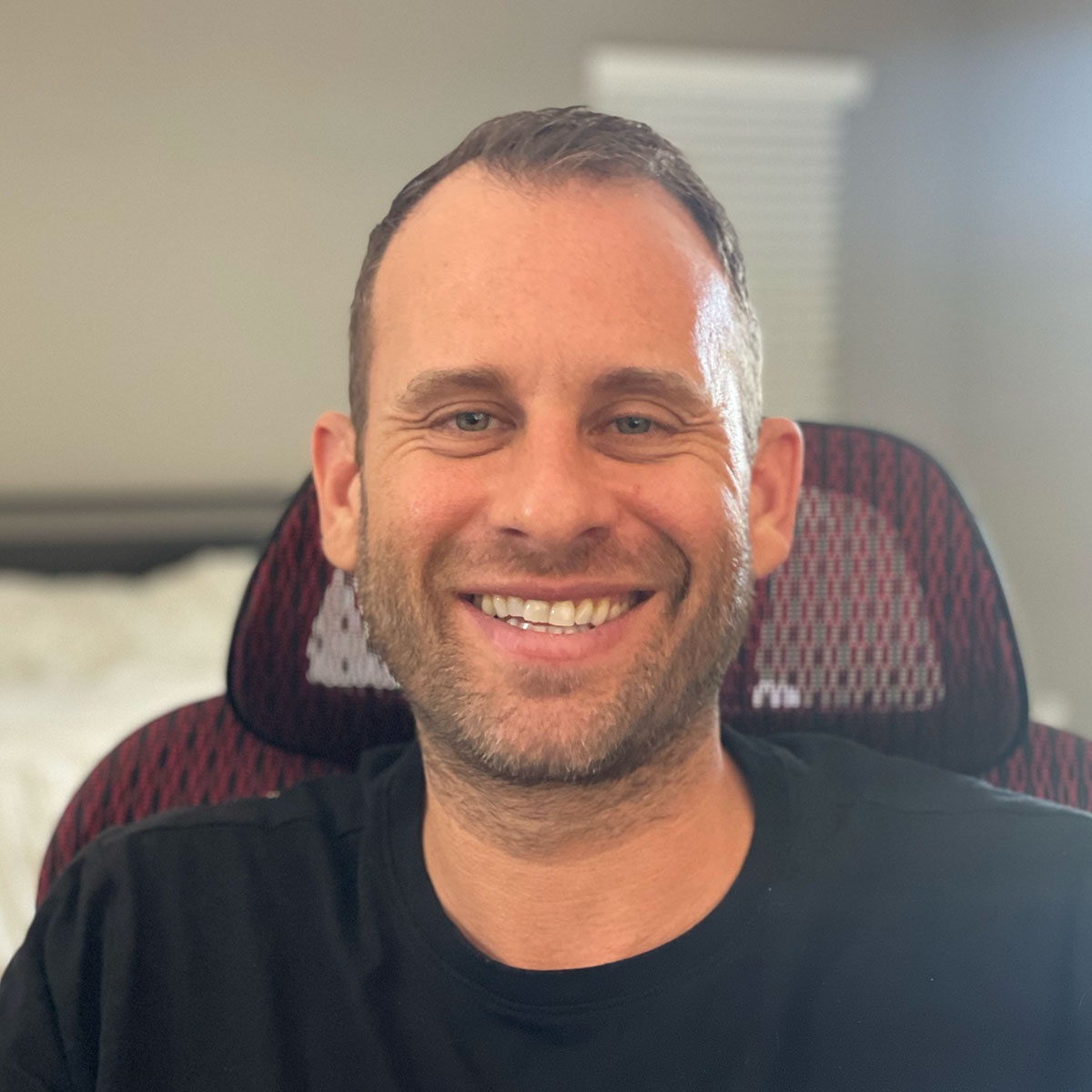
Written by Mike Boshnack
Corrective Exercise Specialist · Posture Guy Mike
Mike Boshnack grew up skateboarding and surfing, trained MMA, and rode road bikes competitively, before a shoulder injury put him on a path to postural correction. He's since helped thousands of people fix the structural root causes of chronic pain, without surgery or passive treatments.