
Condition Guide
Scoliosis & Uneven Hips
Functional scoliosis is often reversible. Structural scoliosis can be managed.
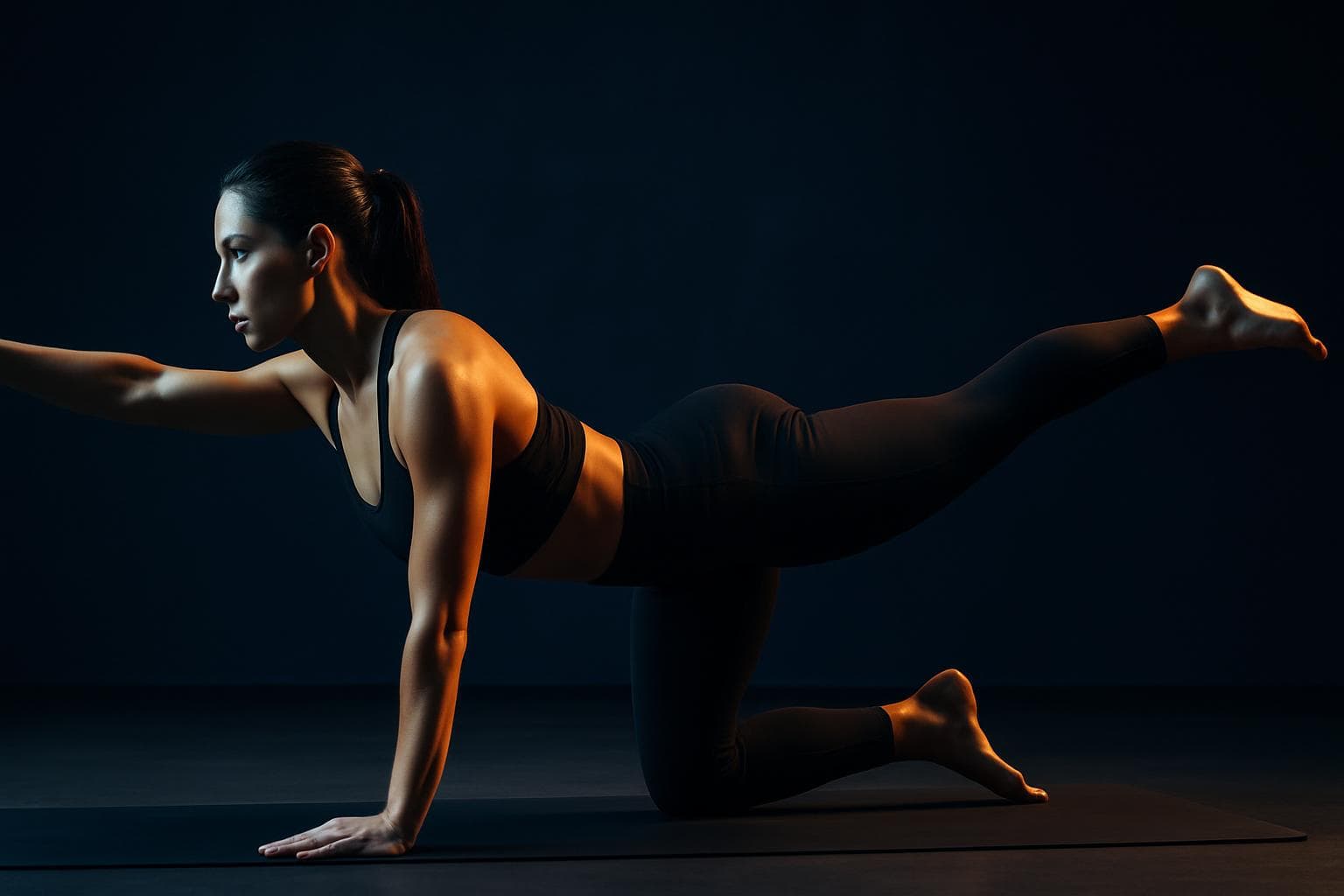
What is Scoliosis & Uneven Hips?
Scoliosis is a lateral curvature of the spine, most visible when viewed from behind, where the spine curves to one side rather than running straight. There are two fundamentally different types: structural scoliosis, where the vertebrae themselves are rotated and malformed (most commonly idiopathic adolescent scoliosis), and functional scoliosis, where the spine curves as a compensation for an imbalance elsewhere in the body, such as a pelvic tilt, leg length discrepancy, or hip dysfunction. Functional scoliosis is often fully reversible with structural corrective work. Structural scoliosis can be managed to reduce progression, relieve pain, and improve quality of life, even when the curve itself cannot be fully eliminated.
Common Symptoms
- Visible spinal curve or one shoulder sitting higher than the other
- One hip or shoulder blade that protrudes more than the other
- Uneven waistline or clothing that does not hang straight
- Chronic back or hip pain on one side only
- Muscle fatigue along one side of the spine
- Reduced mobility or tightness that is worse on one side of the body
The Real Root Cause
In functional scoliosis, the most common driver is pelvic obliquity, where the pelvis tilts up on one side due to hip muscle imbalances, creating a compensatory lateral spinal curve above it. A functional leg length discrepancy (from pelvic tilt rather than actual bone length difference) produces the same pattern. The spine curves not because anything is wrong with the vertebrae, but because the brain is trying to keep the eyes level and the head centred over the pelvis. In structural scoliosis, the vertebrae are rotated in the curve; but the surrounding muscular imbalance and compensatory posture still have a significant effect on symptoms and progression, and these are addressable.
How We Fix It
The Scoliosis & Uneven Hips program addresses the muscular and structural drivers that create or worsen the curve. For functional scoliosis, correcting pelvic obliquity and rebalancing the hip musculature often produces significant improvement in the lateral curve within weeks. For structural scoliosis, the program reduces the muscular tension driving curve progression, addresses the compensatory patterns that create secondary pain, and restores as much symmetry as the structural component allows.
Correct pelvic obliquity
Levelling the pelvis is the most important first step. When the pelvis is level, the compensatory spinal curve above it often reduces significantly on its own.
Rebalance hip musculature
The quadratus lumborum, gluteus medius, and hip flexors are typically very asymmetric in scoliosis. Releasing the overactive side and activating the inhibited side restores the balance that holds the pelvis level.
Lengthen the concave side
The muscles on the inside of the curve are chronically shortened and overactive. Targeted lengthening work on the concave side reduces the muscle tension driving the curve.
Activate the convex side musculature
The muscles on the outside of the curve are chronically overstretched and underactive. Reactivating them creates an active muscular counterforce to the curve.
The Fix It Program
Scoliosis & Uneven Hips Program
Everything you need to correct scoliosis & uneven hips, step-by-step video exercises, structured progressions, and the exact sequence Mike uses with clients.
Frequently Asked Questions
Can scoliosis be fixed with exercise?
Functional scoliosis can often be largely or fully corrected with targeted corrective exercise. Structural scoliosis cannot be fully corrected without surgical intervention for large curves, but exercise reduces pain, slows progression, and improves quality of life significantly. For mild to moderate structural curves (under 40 degrees), conservative management with corrective exercise is the standard first-line treatment.
How do I know if my scoliosis is functional or structural?
A standing X-ray is the definitive test. Functionally, if the curve disappears or significantly reduces when you lie down, it is more likely functional (driven by pelvic asymmetry) rather than structural (driven by vertebral rotation). A trained practitioner can also assess this through a forward-bend test and pelvis levelling.
Will exercise make my scoliosis worse?
The right corrective exercise will not worsen scoliosis and can actively reduce curve progression. Random, asymmetric exercise that further loads the concave side without addressing muscular imbalance could be counterproductive. The Scoliosis program is specifically designed to address the asymmetry rather than worsen it.
Written by Mike Boshnack
Corrective Exercise Specialist · Posture Guy Mike
Mike Boshnack grew up skateboarding and surfing, trained MMA, and rode road bikes competitively, before a shoulder injury put him on a path to postural correction. He's since helped thousands of people fix the structural root causes of chronic pain, without surgery or passive treatments.