
The Muscle Nobody Can Find
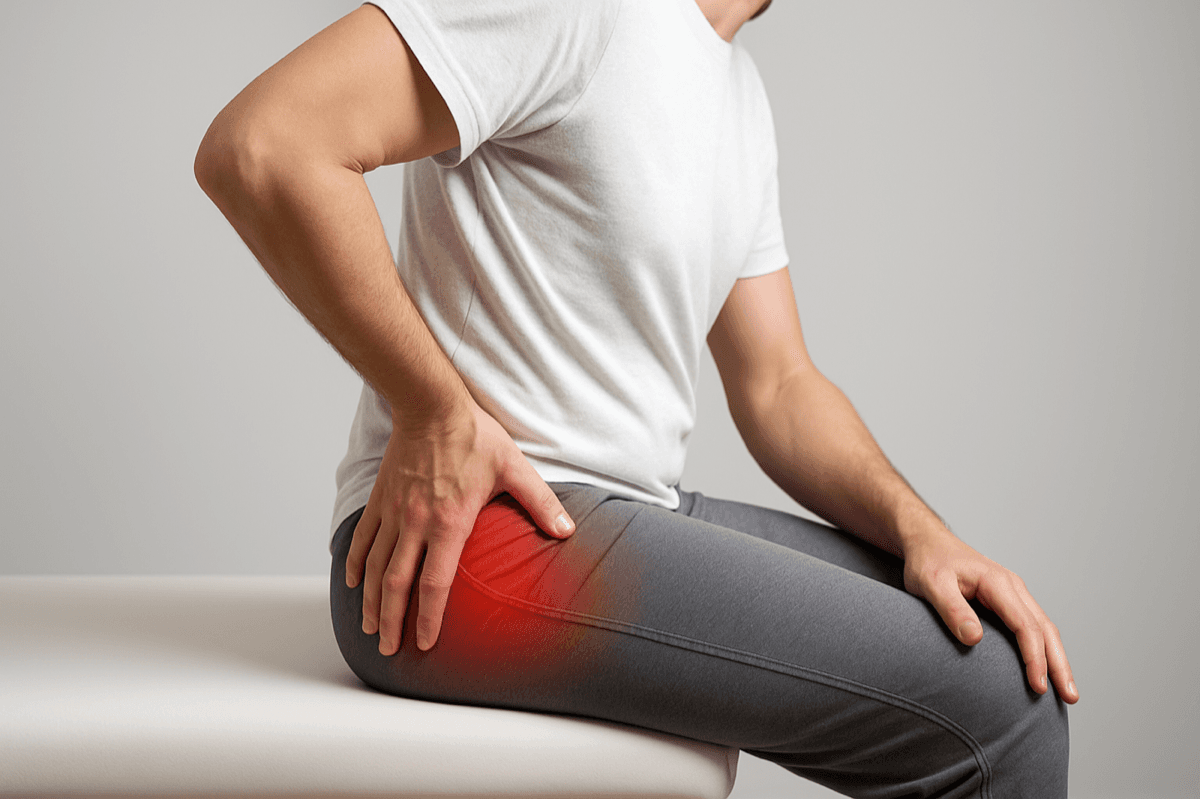
The piriformis is a small, pear-shaped muscle buried deep in the glute, running from the sacrum to the top of the femur. Most people have never heard of it until it starts causing problems. When it does, the problems are distinctive: a deep, persistent ache in the glute, often on one side, that radiates down the back of the thigh and sometimes into the calf. It worsens with sitting, especially on hard surfaces, and with any activity that loads hip external rotation.
The reason piriformis syndrome is so frequently mismanaged is that its symptoms are nearly identical to sciatica from lumbar disc herniation. Both produce radiating leg pain. Both worsen with sitting. Both improve with specific positions. The distinction matters because the treatments are completely different, and treating the wrong cause produces no improvement.
The sciatic nerve passes directly beneath the piriformis, and in approximately fifteen percent of the population, through it. When the piriformis is hypertonic, chronically contracted and overloaded, it compresses the sciatic nerve at the glute level, producing the same radiating pain pattern as lumbar nerve root compression. This compression does not show up on MRI, which images bone and disc, not muscle state. This is why piriformis syndrome is frequently missed in imaging-focused clinical workups.
Why the Piriformis Gets Overloaded
The piriformis becomes hypertonic for a specific reason: the gluteus maximus and medius, which should be the primary hip external rotators, are inhibited. When the primary muscles cannot do their job, the piriformis compensates. It takes on load it was not designed to handle chronically, becomes overworked, and eventually compresses the nerve.
Why are the glutes inhibited? Almost always because of anterior pelvic tilt. When the pelvis tilts forward, the glutes are placed in a mechanically disadvantaged position where they cannot generate force efficiently. The piriformis, being a smaller and deeper muscle, continues to function but under chronic overload.
This is why piriformis stretching provides only temporary relief. You can stretch a hypertonic piriformis and reduce its tension briefly. But as soon as you return to standing and walking with the same pelvic tilt that is inhibiting the glutes, the piriformis immediately returns to compensatory overload. The relief lasts minutes to hours, then the tightness returns.
The Fix That Actually Works
Lasting resolution of piriformis syndrome requires addressing the chain from the pelvis down, not just the piriformis itself.
Step one is restoring pelvic neutrality. Static back, lying on your back with hips and knees at ninety degrees, is the most reliably effective position for decompressing the posterior lumbar spine and beginning to restore neutral pelvic alignment. This position also gently reduces piriformis tension by removing the hip external rotation load.
Step two is reactivating the inhibited glutes. Glute bridges, performed with attention to pelvic position, begin to restore gluteal function. As the glutes come online, the compensatory demand on the piriformis reduces. This is the step that produces lasting change, not piriformis stretching.
Step three is releasing the hip flexors that are maintaining the anterior pelvic tilt. Kneeling hip flexor stretches and supine groin work lengthen the shortened anterior chain, allowing the pelvis to return to and hold a neutral position.
Most people with piriformis syndrome see significant symptom reduction within two to three weeks of this approach, because addressing the structural cause removes the mechanical reason for the piriformis to stay hypertonic. For sciatica-type symptoms, the Sciatica Relief program covers both piriformis syndrome and lumbar-driven patterns with the same structural sequence.

Mike Boshnack
Corrective Exercise Specialist · Posture Guy Mike
Mike Boshnack grew up skateboarding and surfing, trained MMA, and rode road bikes competitively. A shoulder injury put him on a path to discover corrective exercise. He has since helped thousands of people fix the structural patterns causing their pain, without surgery or passive treatments.
Keep Reading
Related Conditions
Free tool
See where your posture stands right now.
Upload a photo and get an instant AI-powered posture analysis with personalized recommendations. Free, no account required.
Try the Free Posture CheckTake the next step
Fix the structural root cause, not just the symptom.
Mike's programs apply this corrective method to your specific condition. No gym, no equipment. Just a floor and 15 minutes. Buy once, own forever.
Discussion
Discussion is a Pro member feature. Visit the community for more.