

You stretch your hamstrings. Then your hip flexors. Then you grab a band and do some shoulder thing you saw on Instagram. Twenty minutes later you've touched five body parts separately and none of them learned to work together.
That's the problem with most stretching. You're treating your body like a pile of parts. It's not. It's a chain.
The squat to stand fixes that. One move. It opens your hips, decompresses your spine, and wakes up your shoulders at the same time. I use it with people who sit all day, people who skate, people who haven't been able to touch their toes since high school. It works because it loads the whole chain the way your body is actually built to move.
Why One Move Beats Five Stretches
Your body doesn't move in pieces. When you reach up for something, your shoulders, your spine, and your hips all fire together. When you squat down to pick up a kid, same deal. So why would you train them separately?
When you sit for 8 hours, your hips lock into a bent position. Your pelvis tips forward or tucks under. Your upper back rounds. Your shoulders roll in. It all happens together. That's the whole picture behind anterior pelvic tilt and rounded shoulders, and it's why fixing one thing in isolation never holds.
The squat to stand teaches the chain to move as a unit again. Your hips drop into flexion. Your spine finds length. Your arms reach overhead and pull your upper back out of that rounded slump. Every rep is a full-body reset.
How To Do It Right
Here's the move. Read it twice before you try it.
Stand with your feet about shoulder width apart. Toes pointing straight ahead or turned out a hair. Bend over and grab your toes. Grab them from the inside, thumbs on the outside of your feet. Keep holding the whole time.
Now this is the part people blow. Keep hold of your toes and sink your hips down into a deep squat. Chest up. Let your knees push out. You should feel your hips open and your lower back lengthen. Hold there for a second.
From the bottom, drive your hips up toward the ceiling while you keep holding your toes. Legs go almost straight. You'll feel your hamstrings light up. Then sink back down into the squat.
Do that 8 to 10 times. Slow. No bouncing.
What it should feel like: Your hips opening up like a hinge that finally got oiled. Your lower back getting long instead of crunched. If your heels pop off the ground, that's your ankles telling you they're tight. Stand on a small book or rolled towel under your heels for now.
Add The Shoulder Piece
Once the squat feels solid, add the overhead reach. This is where it becomes a true full-body drill.
Sink into the bottom of the squat without holding your toes this time. Hands free. Now reach both arms straight overhead, biceps by your ears, and open your chest toward the ceiling. Hold two seconds. That overhead reach from a deep squat drags your thoracic spine into extension, which is exactly what your upper back forgets how to do when you sit hunched over a desk.
Do 5 of these at the end of your squat to stands.
If your arms can't get overhead without your lower back arching hard, that's tight lats and locked shoulders. Don't force it. That stiffness is the same thing driving a lot of hip pain and upper back tightness, and it takes consistent work to unwind.
Free - 60 seconds
Not sure which program you need?
Take the free posture quiz and get a personalized recommendation based on your pain and goals.
When To Do It
First thing in the morning is my favorite. Your body is stiff and cold and this wakes the whole chain up in under two minutes. It fits perfectly into a morning mobility routine before you've even had coffee.
Before a workout works too. It's a better warm up than ten minutes on a bike. And if you sit all day, do five reps every couple hours. It undoes the damage before it sets in.
One thing though. This drill opens stuff up. It doesn't fix the deeper alignment problems that got you tight in the first place. If your pelvis is stuck tipped forward or your shoulders live up by your ears, you need targeted work on top of the mobility. That's what my Anterior Pelvic Tilt Fix and Rounded Shoulders Fix are built for.
Start with 10 squat to stands tomorrow morning and feel the difference before lunch.
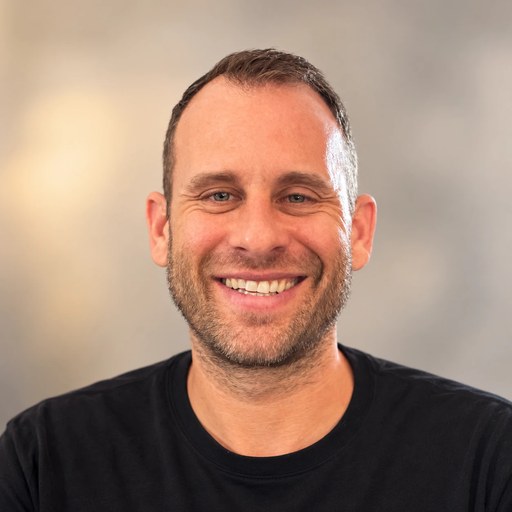
Mike Boshnack
Corrective Exercise Specialist · Posture Guy Mike
Mike Boshnack grew up skateboarding and surfing, trained MMA, and rode road bikes competitively. A shoulder injury put him on a path to discover corrective exercise. He has since helped thousands of people fix the structural patterns causing their pain, without surgery or passive treatments.
Keep Reading
Free tool
See where your posture stands right now.
Upload a photo and get an instant AI-powered posture analysis with personalized recommendations. Free, no account required.
Try the Free Posture CheckTake the next step
Fix the structural root cause, not just the symptom.
Mike's programs apply this corrective method to your specific condition. No gym, no equipment. Just a floor and 15 minutes. Buy once, own forever.
Discussion
Discussion is a Pro member feature. Visit the community for more.