Two Different Models of the Same Problem
When someone walks into a chiropractor's office with lower back pain, the clinician performs an assessment and identifies vertebral segments that have lost mobility — areas where the joint is restricted and not moving through its normal range. The adjustment applies a controlled force to that segment, restoring mobility, often with an audible cavitation (the "pop"). The patient frequently leaves feeling significantly better.
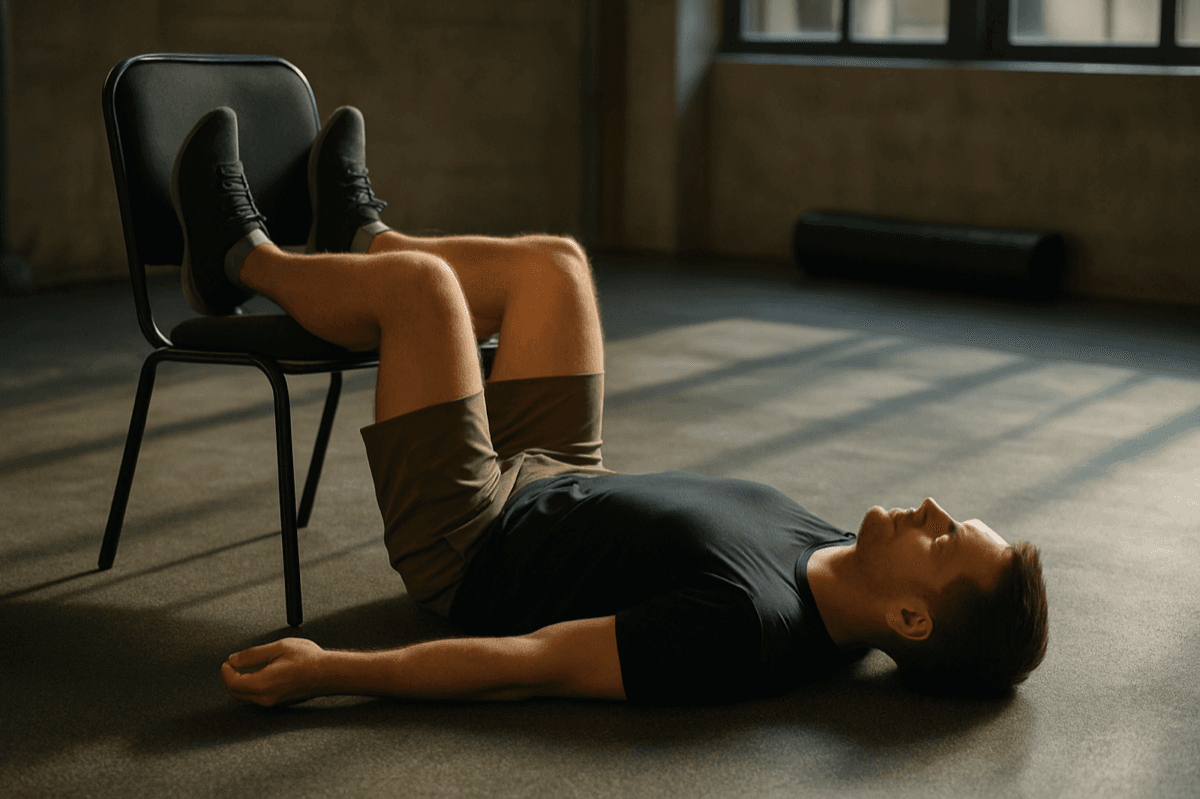
When someone works with an Egoscue practitioner for lower back pain, the assessment looks at the entire structural position of the body — pelvic tilt, thoracic position, shoulder and head alignment, foot position. The treatment is a sequence of specific exercises designed to change the muscular forces acting on the spine so that the spine can return to its intended position.
Same complaint. Completely different model of the problem. Understanding the difference is the key to understanding why each works the way it does.
What Chiropractic Does
Chiropractic is a manual medicine that operates primarily on joint mobility. The core clinical finding is the "subluxation" — a joint that is not moving freely, creating local restriction, nerve irritation, and often pain. The adjustment restores mobility to that joint.
For many people, this works well for acute pain. A vertebral segment that has locked up from an acute strain, a wrong movement, or a period of sustained poor position can be unlocked with an adjustment and provide immediate, significant relief.
The limitation appears in chronic pain cases. If a vertebral segment keeps locking up — if the patient returns every two to three weeks because the same area keeps restricting — the question chiropractic does not answer is: why does this joint keep locking up? The adjustment restores mobility. It does not change the structural forces that created the restriction.
Those forces are muscular. The muscles surrounding the spine are pulling the vertebrae in directions and with forces that the joint was not designed to handle chronically. When the muscles are asymmetrically tight, chronically shortened, or neurologically inhibited, they create predictable patterns of joint restriction. The adjustment releases the restriction. The muscles continue pulling. Within days to weeks, the joint restricts again.
This is not a criticism of chiropractic as a discipline. It is a description of what adjustments do and do not do. The adjustment is a joint-level intervention. The structural cause is at the muscular level.
What Egoscue Does
Egoscue does not manipulate any joint. The method works entirely through exercise — specific, deliberate, low-load positions and movements designed to change the resting length and neurological activation of the muscles acting on the skeletal system.
Pete Egoscue's core insight was that chronic pain is almost never caused by a problem with the structure where it is felt. It is caused by a structural misalignment in the kinetic chain, usually below the site of pain, that creates abnormal loading on the painful structure. The painful structure is where the body breaks down under a compensating load. The cause is the misalignment upstream.
For lower back pain, the Egoscue assessment typically identifies the pelvis as the primary driver. If the pelvis is in anterior tilt — tipped forward due to short hip flexors and inhibited glutes — the lumbar spine is in chronic extension. The facet joints of the lumbar vertebrae take disproportionate compressive load. The muscles of the lower back are in constant compensatory contraction. This creates the joint restrictions that chiropractic can identify and adjust.
Egoscue's approach addresses the anterior pelvic tilt directly: lengthening the hip flexors, reactivating the glutes, restoring thoracic extension to reduce the compensatory pattern. When the pelvis returns to neutral, the lumbar spine decompresses, the facet joint load normalizes, and the muscles of the lower back no longer need to be in chronic compensatory contraction. The joint restrictions resolve because the forces creating them have changed.
Why Chiropractic Adjustments Don't Hold
The duration of chiropractic relief is determined by how quickly the muscles pull the adjusted joint back into restriction. For someone with mild, acute restriction and good structural balance, an adjustment may hold for months. For someone with chronic anterior pelvic tilt and thoracic kyphosis, the adjustment may provide relief for days because the structural forces that created the restriction are unchanged and immediately begin re-creating it.
This is the consistent clinical experience of patients who "need" chiropractic every two to three weeks indefinitely. The joint releases, the muscles pull it back, the joint restricts. Repeat. This is not evidence that chiropractic is ineffective — it is evidence that the structural cause of the restriction has not been addressed.
Who Each Approach Is Right For
Chiropractic is most effective for acute joint restriction — the lower back that locked up suddenly after a movement, the cervical spine that restricted acutely from sleeping in a bad position. In these cases, the underlying structural balance is reasonable, the joint restriction is the primary problem, and the adjustment is the right intervention.
Egoscue is most effective for chronic, recurring pain that has not responded to treatment targeting the site of pain. It is also effective for athletes who have developed sport-specific structural imbalances from repetitive movement patterns, and for desk workers who have accumulated years of sitting-related dysfunction.
The two approaches are not mutually exclusive. Many practitioners use chiropractic for immediate relief and Egoscue for structural correction. The adjustment reduces the acute pain load, making the corrective exercise work more accessible. The corrective exercise changes the structural forces so the adjustment holds longer and eventually becomes unnecessary.
The question is not which is better. The question is what is the problem. If the problem is an acute joint restriction with no chronic structural driver, chiropractic is the right tool. If the problem is a chronic structural pattern producing recurring joint restriction, Egoscue is the right tool.
For most people with chronic pain, the answer is structural. The programs are built around identifying the specific structural pattern driving your symptoms and correcting it systematically.
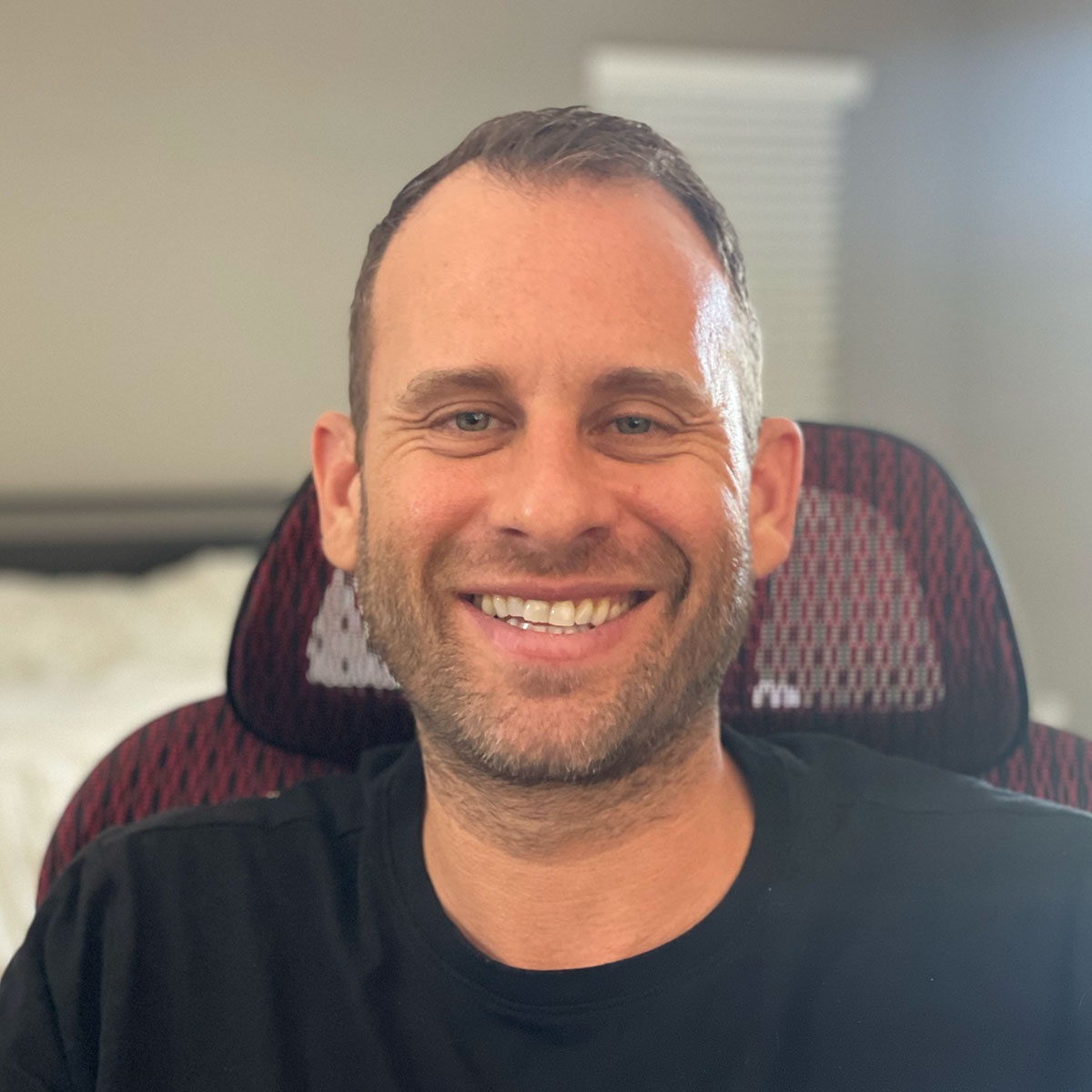
Mike Boshnack
Certified Egoscue Therapist · Posture Guy Mike
Mike Boshnack grew up skateboarding and surfing, trained MMA, and rode road bikes competitively. A shoulder injury put him on a path to discover the Egoscue Method. He has since helped thousands of people fix the structural patterns causing their pain, without surgery or passive treatments.
Keep Reading
Take the next step
Fix the structural root cause, not just the symptom.
Mike's programs apply this corrective method to your specific condition. No gym, no equipment. Just a floor and 15 minutes. Buy once, own forever.
Discussion
Discussion is a Pro member feature. Visit the community for more.