
Why There Is No Single Answer
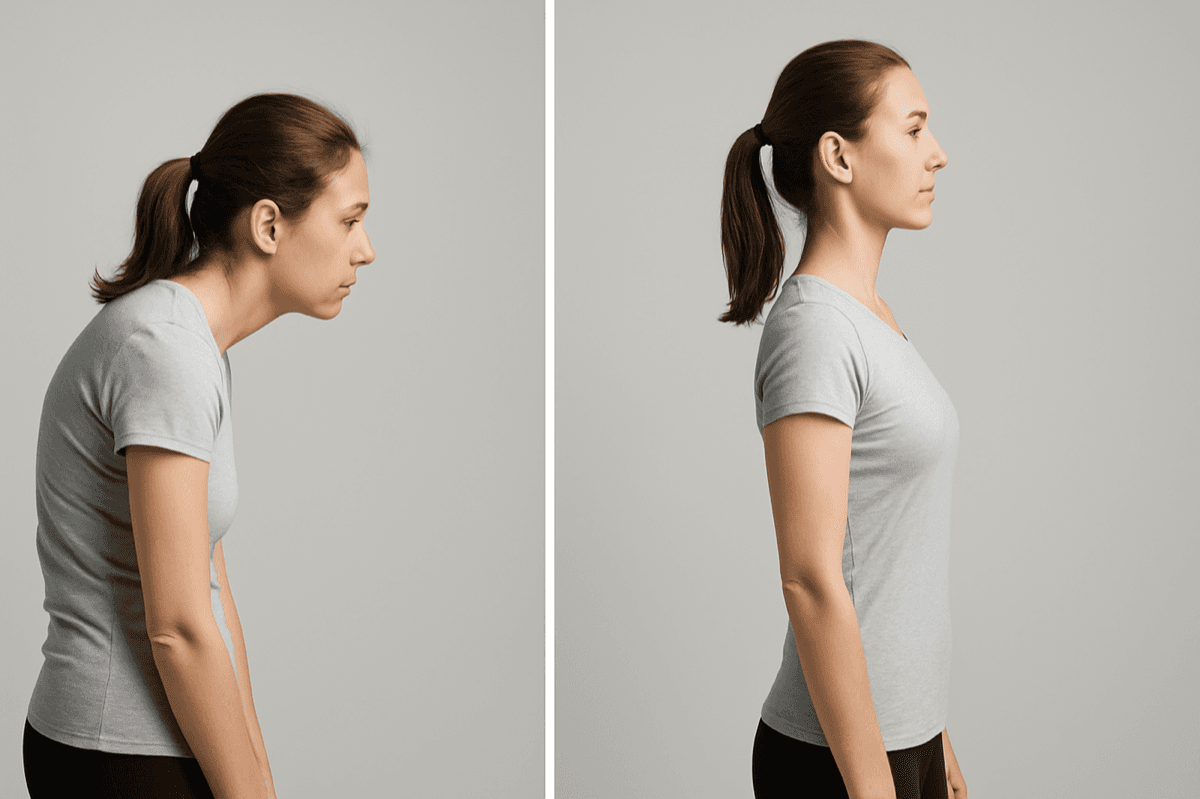
Posture correction timelines vary because "bad posture" is not one thing. A twenty-five-year-old with mild forward head posture from two years of desk work has a different correction timeline than a fifty-five-year-old with thirty years of accumulated anterior pelvic tilt, thoracic kyphosis, and associated disc changes. The underlying structures, muscle length, fascial restriction, bone remodeling, nervous system adaptation, are different, and they respond at different rates.
That said, there are consistent phases that most people move through. Understanding them helps set realistic expectations and prevents the two most common failure modes: giving up too early because results seem slow, or stopping too early because early results feel like the finish line.
Phase One: Symptomatic Relief (Days to Weeks)
The first phase is the fastest and the most noticeable. Pain reduction begins within the first few sessions for most people with chronic postural pain. This is because the initial exercises, decompression positions, hip flexor release, basic posterior chain activation, immediately reduce the mechanical load generating the pain.
Static back, for example, takes the lumbar spine out of the hyperextended position driving lower back pain, reduces anterior pelvic tilt, and begins lengthening the hip flexors, all simultaneously, in a passive position. Many people feel relief within the first session. This does not mean the structural problem is fixed; it means the acute mechanical stress has been reduced.
Most people with chronic postural pain are in significantly less pain within two weeks of consistent corrective work. This is encouraging, and it is also a trap. The reduction in pain creates the impression that the work is done. It is not. Symptomatic relief is the beginning of structural correction, not the end.
Phase Two: Structural Change (Weeks to Months)
The structural changes that produced the pain, shortened hip flexors, inhibited glutes, rounded thoracic spine, forward head, take longer to reverse than they took to develop. Not proportionally longer, but meaningfully longer. The biological processes involved (muscle length changes, fascial remodeling, motor pattern rewiring) operate on a timescale of weeks to months, not days.
For most people with moderate postural dysfunction and no structural pathology, meaningful structural change is visible and measurable within six to eight weeks of consistent corrective work. Head position, shoulder position, and pelvic tilt are the most commonly visible markers. Pain reduction follows structural change and typically tracks closely with it.
The complete normalization of postural patterns, where the corrected position becomes the nervous system's default, takes approximately twelve weeks in most cases. This is the point where you do not have to consciously remind yourself to sit up straight. The structure maintains the correct position without effort.
Free - 60 seconds
Not sure which program you need?
Take the free posture quiz and get a personalized recommendation based on your pain and goals.
Phase Three: Maintenance (Ongoing)
Postural correction is not permanent in the way that fixing a broken bone is permanent. The structural patterns that produced dysfunction are driven by how you use your body. If you return to the same habits, sitting eight hours daily without counterwork, phone use without structural maintenance, the patterns return over months to years.
The maintenance requirement is much less than the initial correction work. A fifteen-minute sequence three to four times per week is typically sufficient to maintain a corrected structural state once it has been achieved. This is the realistic long-term commitment.
The free posture quiz takes two minutes and identifies the specific patterns most likely driving your current symptoms, which directly affects your individual timeline. Targeted correction of the specific patterns driving your dysfunction is always faster than generic posture work. The programs are built around this targeting principle.

Mike Boshnack
Corrective Exercise Specialist · Posture Guy Mike
Mike Boshnack grew up skateboarding and surfing, trained MMA, and rode road bikes competitively. A shoulder injury put him on a path to discover corrective exercise. He has since helped thousands of people fix the structural patterns causing their pain, without surgery or passive treatments.
Keep Reading
Free tool
See where your posture stands right now.
Upload a photo and get an instant AI-powered posture analysis with personalized recommendations. Free, no account required.
Try the Free Posture CheckTake the next step
Fix the structural root cause, not just the symptom.
Mike's programs apply this corrective method to your specific condition. No gym, no equipment. Just a floor and 15 minutes. Buy once, own forever.
Discussion
Discussion is a Pro member feature. Visit the community for more.