
Posture Programs Built for Your Sport
Every sport creates specific postural dysfunction. A cyclist's thoracic spine is nothing like a golfer's. A skater's hip pattern is different from a swimmer's. These programs target the exact imbalances your sport creates.
Programs Mike Built from Personal Experience
Mike grew up skateboarding, surfing, road biking, training MMA, and playing baseball. These programs are built from lived knowledge of what each sport does to the body.
 Mike's Pick
Skateboarding
Hip compression, ankle instability, and thoracic collapse
Years of skating creates tight hip flexors, collapsed arches, and compressed lumbar spine from impact and asymmetrical stances.
Mike grew up skating. This program is personal.
 Mike's Pick
Surfing
Paddle posture, pop-up mechanics, rotational imbalance
Paddling builds rounded shoulders. The pop-up demands hip flexion the body can't access without corrective work.
Mike surfed growing up. He knows exactly what the paddle builds and breaks.
 Mike's Pick
MMA & Combat Sports
Guard position, cervical compression, hip flexor loading
The fighting stance trains chronic flexion. Clinch work compresses the cervical spine. Sprawling demands hip mobility most fighters don't have.
Mike trained MMA. The guard position is one of the worst postural positions you can live in.
 Mike's Pick
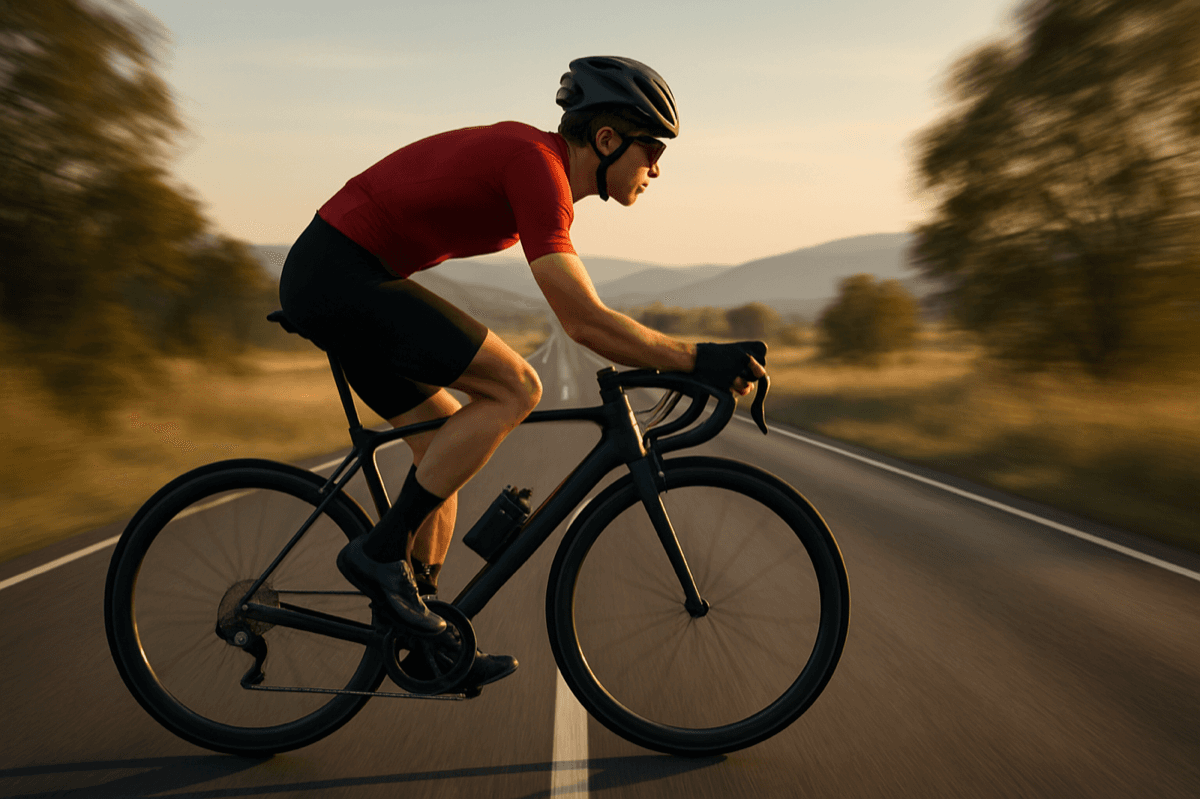
Cycling
Thoracic kyphosis, forward head, hip flexor shortening
Cyclists develop some of the worst postural patterns of any athlete, hours in hip flexion with the spine rounded and neck craned.
Mike rode road bikes seriously. He has the cyclist hunch in his history too.
 Mike's Pick
Baseball
Rotational asymmetry, shoulder imbalance, throwing mechanics
Baseball is one of the most asymmetrical sports. Throwing and hitting create rotation bias that compounds into structural imbalance over a career.
Mike played baseball in high school. The one-sided shoulder pattern is real.
20 More Sport-Specific Programs
 High Demand
Golf
Thoracic rotation deficit, lower back compensation, hip mobility
 High Demand
Running
Hip flexors, forward head, anterior pelvic tilt
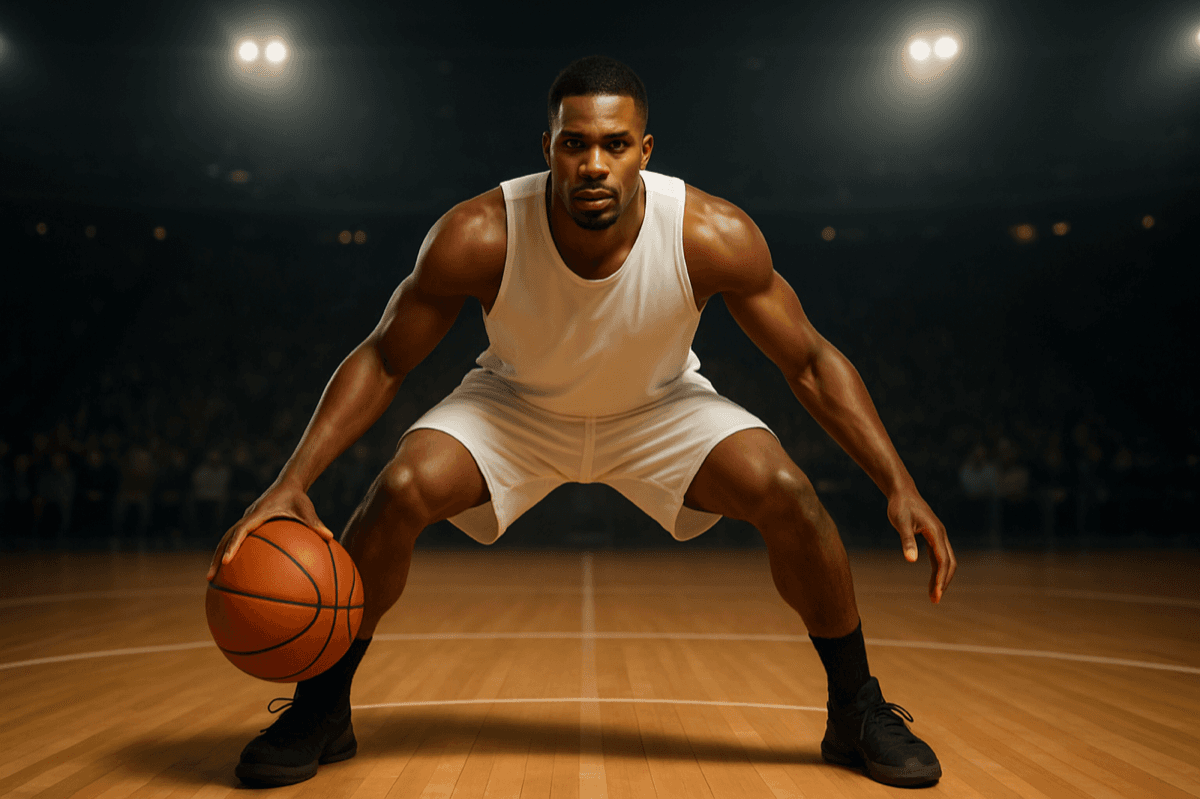
Basketball
Hip flexors, ankle instability, thoracic compression
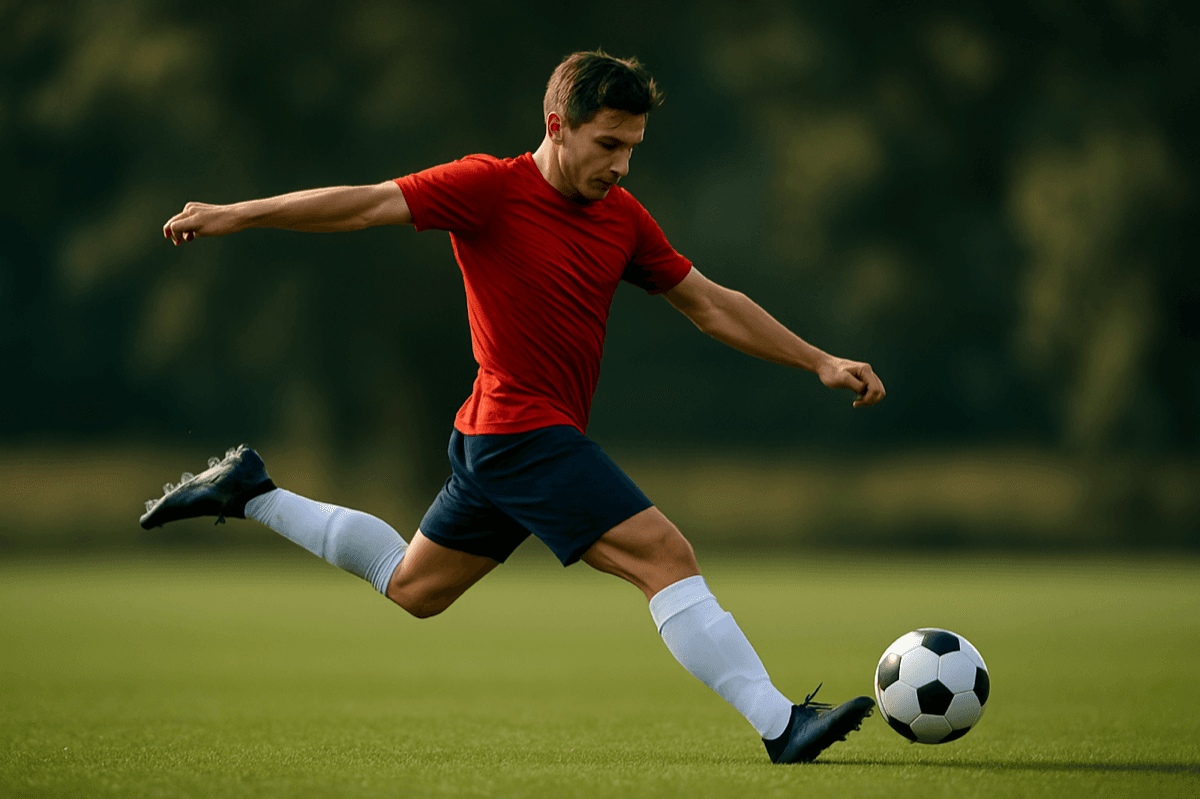
Soccer
Anterior pelvic tilt, hip asymmetry, ankle instability

Tennis
One-sided shoulder imbalance, thoracic rotation, cervical strain

Swimming
Pull-dominant shoulder pattern, thoracic kyphosis, internal rotation
 Fast Growing
Pickleball
Knee, hip, cervical, and shoulder, the fastest-growing sport in America
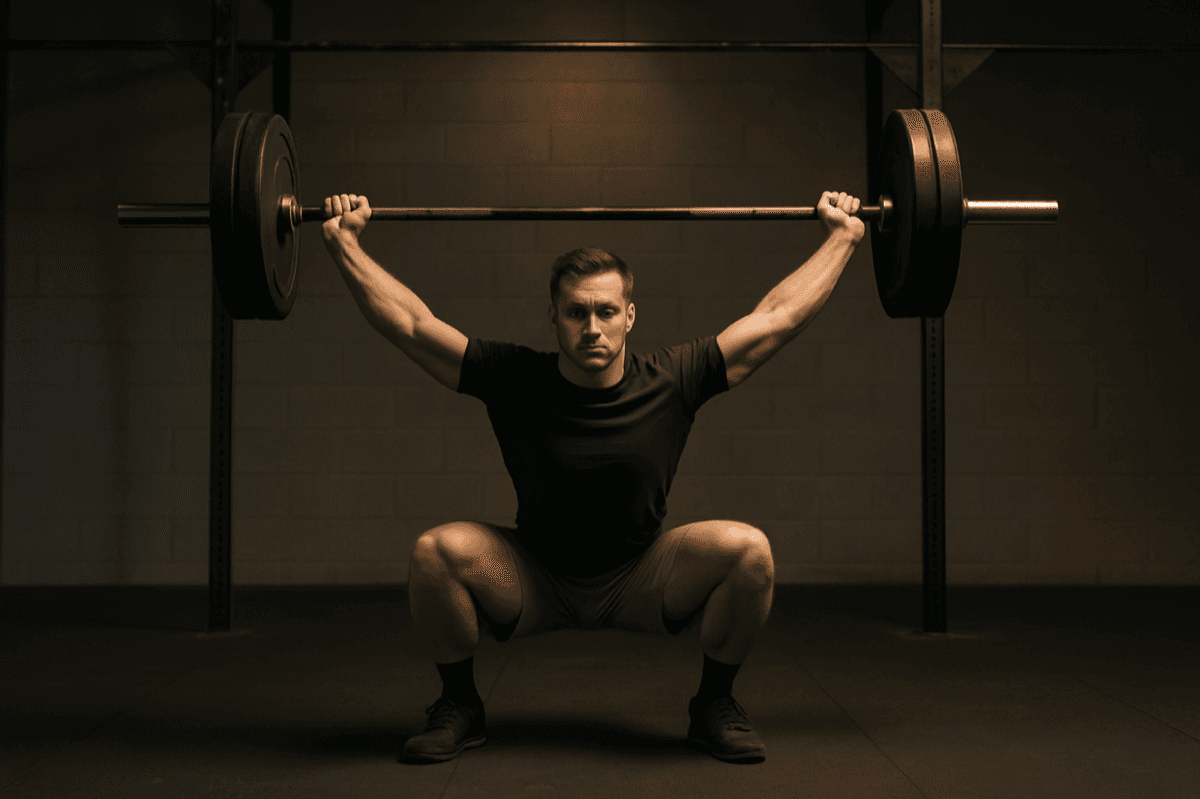
CrossFit & Lifting
Thoracic extension, overhead positioning, hip mobility

Rock Climbing
Pull-dominant thoracic kyphosis, rounded shoulders, internal rotation
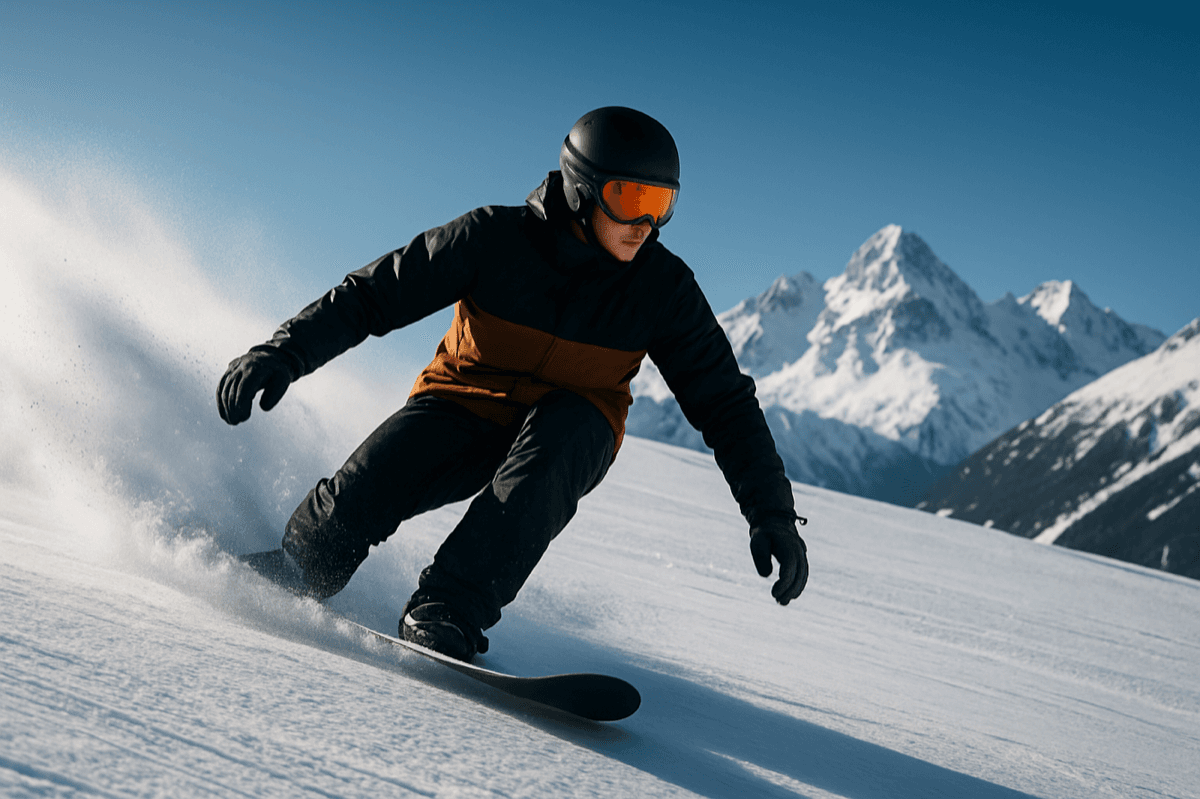
Snowboarding
Asymmetrical stance, hip rotation imbalance, impact compression

Boxing
Chronic flexion guard, cervical compression, tight chest

Football
Cervical compression, loaded hip flexion, impact across the kinetic chain
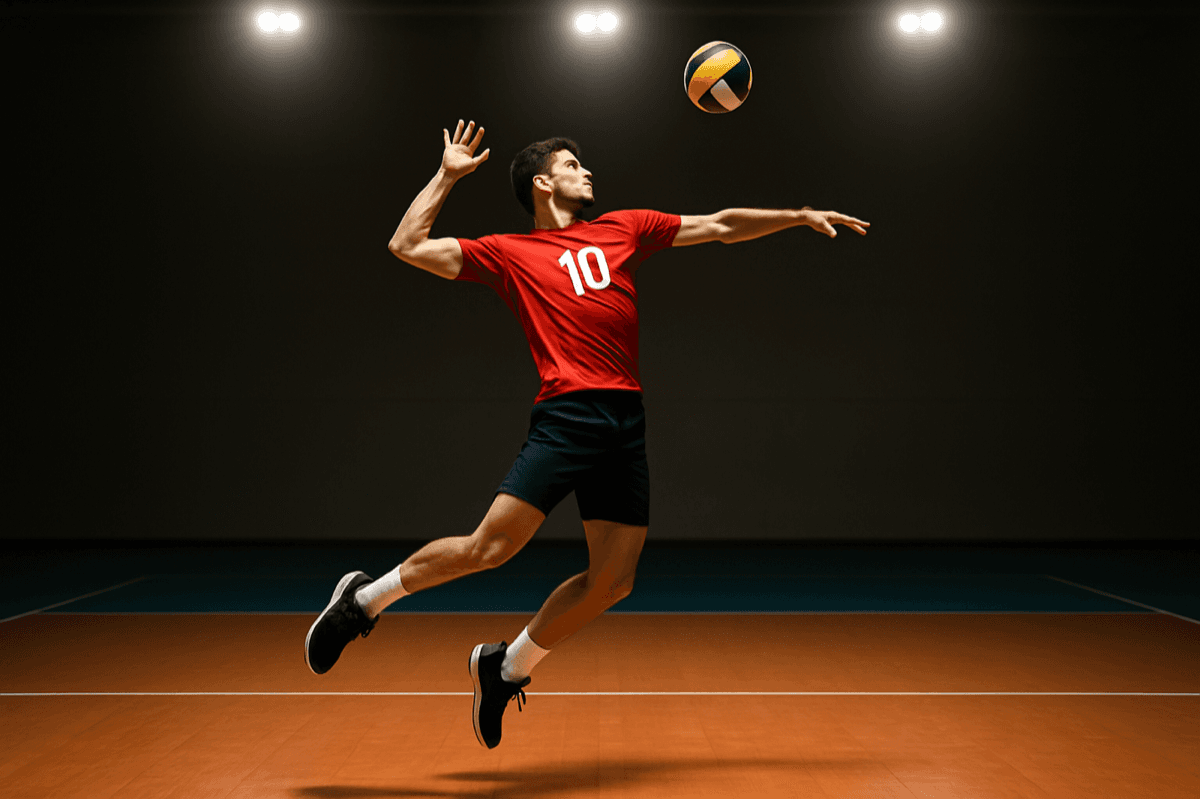
Volleyball
Shoulder dominance, cervical extension strain, hip loading

Hiking & Backpacking
Backpack load, lumbar compression, ankle and hip demand

Music & Instruments
Hours of forward head, rounded shoulder, asymmetrical loading

Rowing & Kayaking
Pulling dominance, thoracic flexion, seated hip flexion
 Mike's Pick
Wrestling & BJJ
Extreme hip mobility demands, cervical loading, grappling posture
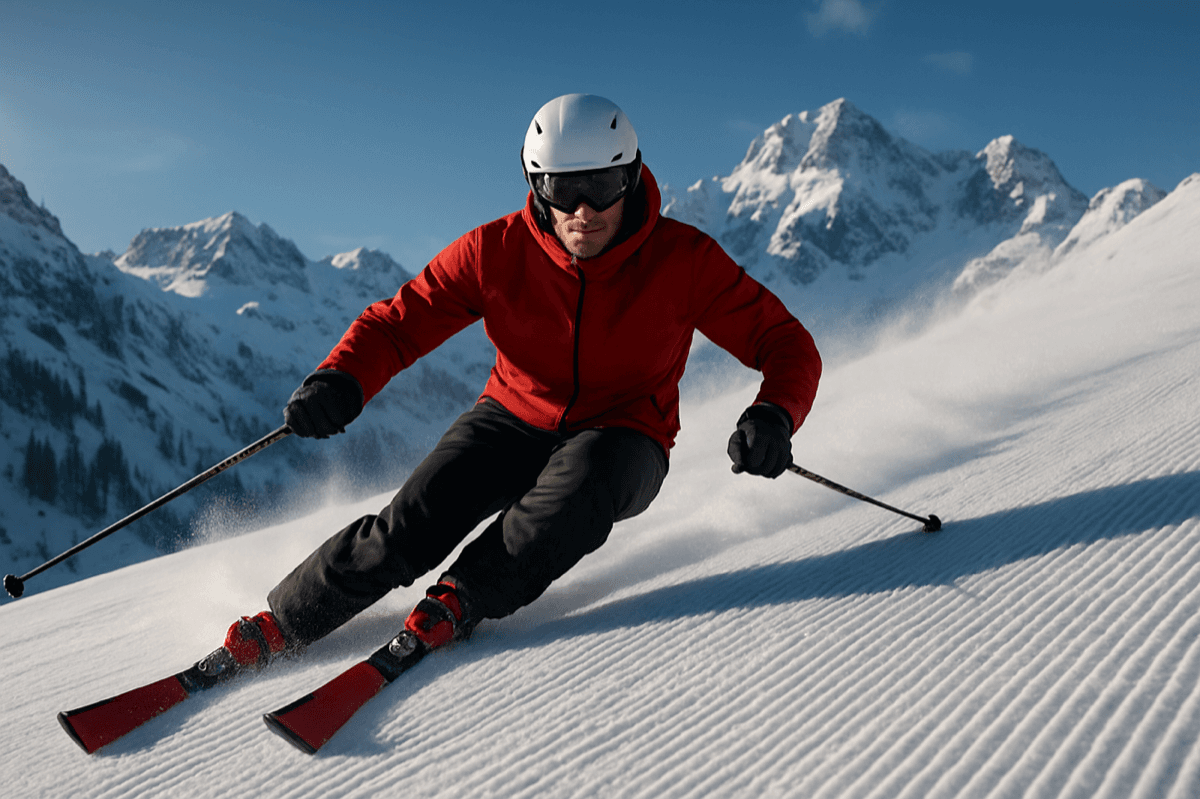
Skiing
Hip flexion, quad dominance, ankle loading, lumbar compression

Hockey
Skating stance, thoracic collapse, cervical loading
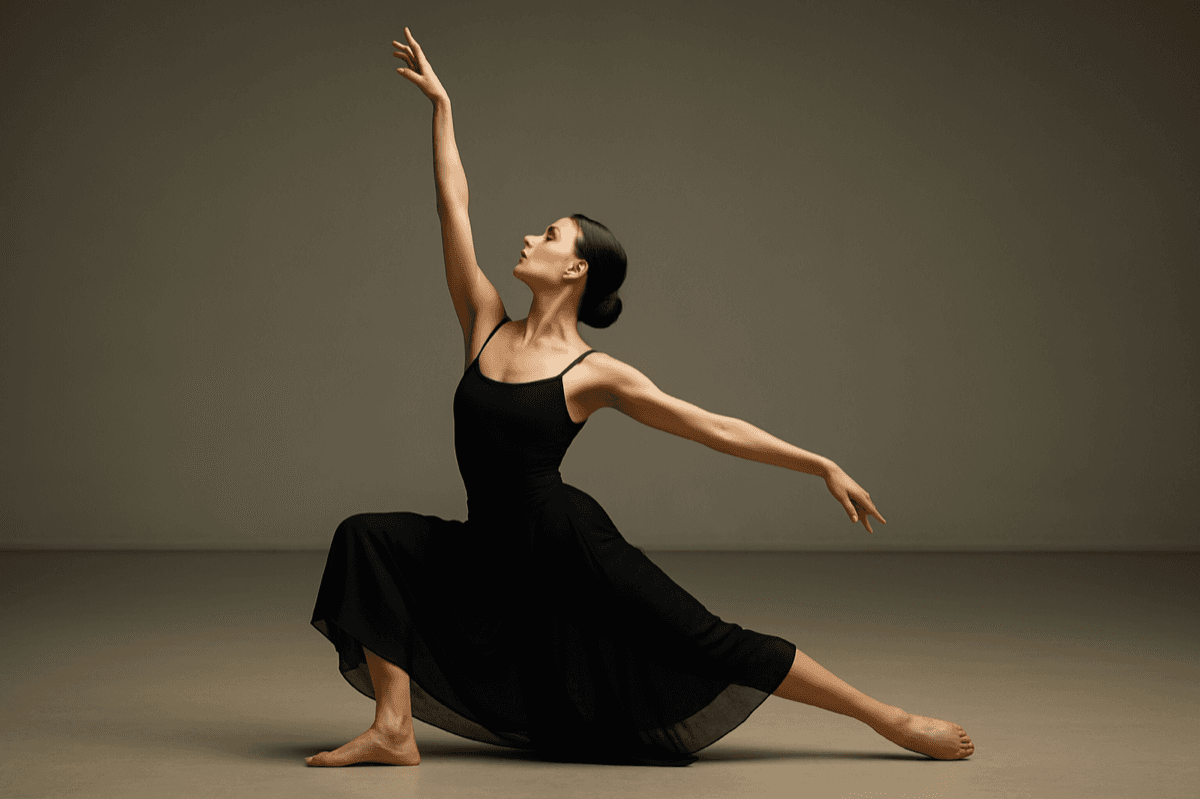
Dance
Forced turnout, thoracic rotation imbalance, single-leg stability
Why Generic Posture Programs Don't Work for Athletes
Different sports create different imbalances
A cyclist's thoracic kyphosis from being hunched over a bike is a different structural problem from a baseball pitcher's shoulder imbalance from 10,000 throws. The fix is different.
Athletic loading makes standard cues useless
"Stand up straight" doesn't help when your hip flexors are 2 inches shorter from 15,000 miles of running. You need to address the tissue restriction your sport specifically created.
Performance and injury prevention are the same thing
A golfer with locked thoracic rotation compensates at the lumbar. A soccer player with anterior pelvic tilt overloads the hamstrings. Fixing the posture fixes the injury risk and adds performance.
Not sure which program is right for you?
The free posture quiz identifies exactly what your sport is doing to your body and recommends the right program to fix it.
Take the Free Posture Quiz