
Music & Instruments & Posture
Hours of forward head, rounded shoulder, asymmetrical loading
Updated May 2025
What Music & Instruments Does to Your Body
Musicians spend hours in the same positions that office workers spend hours in, and often more intensely. Guitarists crane their necks forward and down. Pianists round forward over the keys. Drummers are in extreme thoracic extension and cervical rotation simultaneously. The repetition is daily, the positions are fixed, and the consequences are structural.
The Specific Structural Changes
Instrument posture mirrors office worker posture
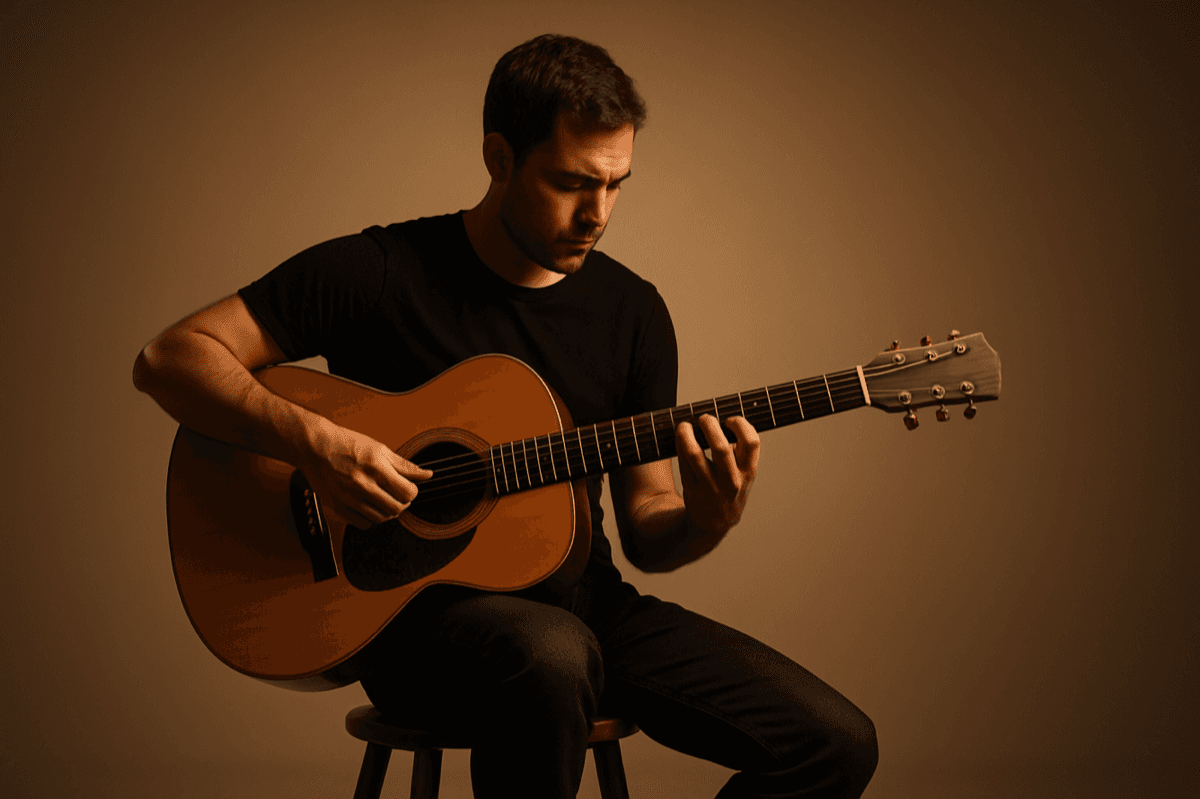
A guitarist looking down at a fretboard has the same forward head angle as someone looking down at a phone. A bassist standing and playing has the asymmetrical shoulder loading of someone carrying a bag on one side. The difference is that musicians hold these positions with far more mental focus, making it harder to notice the strain.
Asymmetrical instrument loading creates shoulder asymmetry
Guitar and bass players carry the weight of the instrument on one shoulder. The fretting arm and picking arm perform completely different tasks. Over years of daily practice, this creates measurable shoulder height asymmetry and thoracic rotation bias.
Performance adrenaline masks pain signals
Musicians often report feeling no pain during performance but significant pain after. The focus and adrenaline of playing masks the accumulating structural load. By the time pain appears at rest, the dysfunction is usually significant.
Common Injuries in Music & Instruments
These aren't random injuries. They're the predictable result of the structural patterns music & instruments creates.
- Neck pain and cervical disc compression
- Thoracic outlet syndrome
- Shoulder impingement from instrument carrying
- Carpal tunnel and wrist tendinitis
- Lower back pain from extended playing sessions
Why posture matters for performance
Structural health determines playing longevity and comfort. Musicians who address posture early play longer, perform better, and avoid the career-interrupting injuries that end professional playing careers. Sound mechanics in the body produce better mechanics in the music.
The Music & Instruments Program
The Musician's Posture Fix addresses forward head from instrument playing, thoracic kyphosis from playing position, shoulder asymmetry from carrying, and the cervical compression that years of practice creates.
What Music & Instruments Athletes Actually Deal With
These are the injuries and pain patterns that come up in every music & instrumentsforum, group ride conversation, and training camp. Here's how each one connects back to structural alignment, and what you can do about it.
Repetitive strain injury (RSI), guitarist's wrist and hand pain
RSI is the musician's career-ending threat. For guitarists and bassists, it typically presents as forearm ache and wrist pain that worsens with playing and eventually appears at rest. The repetitive fretting and picking motions, done for hours of practice, create cumulative strain in the forearm flexors and extensors. The instrument doesn't cause it; the posture that holds the instrument does.
Posture connection: RSI in guitarists and bassists is compounded by the hunched playing posture, rounded thoracic spine, internally rotated shoulder on the fretting side, and elevated shoulder on the picking side. This posture creates cervical and thoracic tension that travels down the neural pathways into the forearms and hands, adding neurogenic tension to the mechanical strain. Thoracic extension and bilateral shoulder work changes the neural environment.
"Drummer's back", lumbar pain from the kit position
The drum throne has no lumbar support and requires the pelvis to tilt anteriorly to generate power through the kick and hi-hat pedals. Hours in this position load the lumbar spine in extension while the arms are working overhead, a combination that creates progressive lumbar disc and facet stress. Drummers who gig regularly often have lumbar pain that they've normalized as "part of playing."
Posture connection: Drummer's back is an anterior pelvic tilt and hip flexor problem. The pedal work trains the hip flexors in a shortened, loaded position, and the sit position on the throne requires anterior pelvic tilt to generate pedal power. Hip flexor lengthening and core stabilization that supports the lumbar spine on the throne are the structural interventions.
Violinist's and violist's neck, left cervical pain from instrument hold
String players who hold the instrument between chin and shoulder for hours of practice develop specific cervical asymmetry, the left side shortens from holding the chin rest, and the right side compensates. This creates a functional cervical scoliosis pattern, left trapezius hypertrophy, and chronic left-sided neck pain that string players consider occupational.
Posture connection: Violinist's cervical asymmetry requires bilateral cervical work that specifically targets the left rotation deficit and right lateral flexion restriction that the instrument hold creates. Restoring cervical symmetry doesn't require stopping playing, it requires consistent off-instrument corrective work that counteracts the instrument's pattern.
Questions from the Music & Instruments Community
My wrists hurt when I play but my doctor says there's nothing structurally wrong. What's going on?
Neurogenic tension, where the peripheral nerves are sensitized from cervical and thoracic compression, creates symptoms in the hands and wrists that don't show up on imaging. The nerve isn't damaged; it's irritated from the posture of playing. Thoracic extension and cervical decompression work reduces this neurogenic component significantly.
Can I prevent RSI without reducing practice time?
The instrument technique can be optimized (instrument height, strap length, wrist angle), but the most impactful variable is the structural alignment from which you're playing. Musicians with better thoracic extension and cervical alignment carry less neural tension into their hands. Corrective work done away from the instrument changes the structural environment the forearms operate in.
Why does my back hurt after gigs but not practice sessions?
Gigs involve prolonged standing or sitting on stages that are rarely ergonomic, often with monitoring wedges creating neck flexion, and with the physical engagement of performance. The combination of duration, postural compromise, and physical demand exceeds what practice sessions replicate. Structural work that addresses hip flexors and thoracic extension reduces the gig recovery time.
Frequently Asked Questions
I practice 4+ hours a day. How do I fit this in?
Five minutes between practice sessions makes a significant difference. The full program takes 15 minutes and is best done after your last session of the day.
I have wrist pain. Will this help?
Wrist pain in musicians often has a thoracic outlet and cervical component, nerve compression from poor upper body posture. The cervical and thoracic work addresses this root cause.

Written by Mike Boshnack
Corrective Exercise Specialist · Posture Guy Mike
Mike Boshnack grew up skateboarding and surfing, trained MMA, and rode road bikes competitively, before a shoulder injury put him on a path to postural correction. He's since helped thousands of athletes fix the specific postural patterns their sport creates, without surgery or passive treatments.
The mobile app is here.
Do your program on your phone, anywhere. Download free on iPhone or Android, or keep using it in your browser.