
Cycling & Posture
Thoracic kyphosis, forward head, hip flexor shortening
Mike rode road bikes seriously. He has the cyclist hunch in his history too.
Updated May 2025
What Cycling Does to Your Body
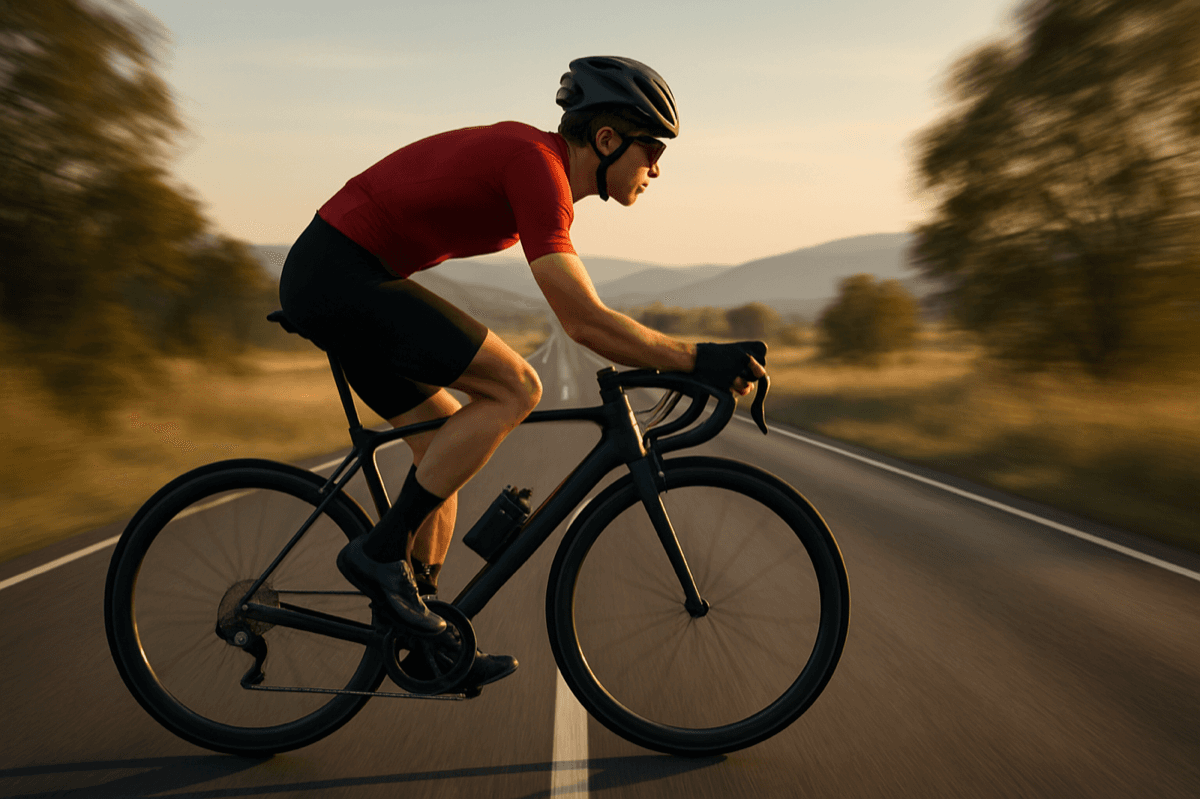
Road cyclists develop some of the worst postural patterns of any athlete. Hours spent in hip flexion with the spine rounded forward, the head craned up, and the hands pulled forward is the structural opposite of a healthy, aligned body. Off the bike, cyclists carry this position with them, and most never know it.
The Specific Structural Changes
Hip flexors shorten to the length of your bike fit
Riding 10, 15, or 20 hours a week in hip flexion trains your hip flexors to the specific length your bike fit requires. After years, this becomes their resting length. Off the bike, your pelvis tilts forward and your lower back is permanently loaded, even when you're just standing in line at the coffee shop.
Thoracic spine loses extension permanently
The rounded position on the bike, especially in an aggressive aero setup, progressively stiffens the thoracic spine into kyphosis. Cyclists who have been riding for 5+ years often have measurably less thoracic extension than non-cyclists of the same age.
Pec minor shortens from the riding position
Reaching forward to the bars with shoulders internally rotated tightens the pec minor and subscapularis over thousands of hours. The result is the characteristic rolled-forward shoulder posture that cyclists have even when they're not on the bike.
Cervical spine is chronically compressed
On the bike, the neck is held in extension to see the road while the thoracic spine is flexed. This creates a shear force on the cervical vertebrae that accumulates with every hour in the saddle. Forward head posture and cervical disc issues are extremely common in long-term cyclists.
Common Injuries in Cycling
These aren't random injuries. They're the predictable result of the structural patterns cycling creates.
- Cervical disc herniation
- Lower back pain
- Hip flexor strains and tears
- IT band syndrome
- Patellar tendinitis from anterior pelvic tilt
- Shoulder impingement
- Numbness in hands from thoracic outlet compression
Why posture matters for performance
Cycling posture off the bike determines how much power you can generate on it. A locked thoracic spine reduces breathing capacity. Shortened hip flexors reduce gluteal activation, and your glutes are your biggest power generators on the bike. Better posture equals better performance and far fewer overuse injuries.
The Cycling Program
The Cyclist's Posture Fix specifically targets the four structures cycling degrades: hip flexors, thoracic extension, pec minor, and cervical alignment. Done daily in the off-season and 3–4x per week in-season, it reverses what hours in the saddle build up.
What Cycling Athletes Actually Deal With
These are the injuries and pain patterns that come up in every cyclingforum, group ride conversation, and training camp. Here's how each one connects back to structural alignment, and what you can do about it.
Collarbone fractures and OTB crashes (mountain biking)
Going over the bar (OTB) is the mountain bike crash that breaks collarbones. The clavicle is the structural link between the arm and the torso, and it's designed to break before the shoulder joint does, which is why clavicle fractures are the #1 MTB crash injury. The collarbone often heals, but the shoulder mechanics and cervical alignment after the crash are rarely the same.
Posture connection: Post-collarbone fracture, the body guards the shoulder by rounding forward and elevating the shoulder on the injured side. If this protective posture isn't addressed after healing, it becomes permanent, leading to chronic thoracic kyphosis and shoulder asymmetry. Thoracic extension and bilateral shoulder alignment work restores symmetry after fracture recovery.
Handlebar palsy (ulnar nerve compression)
Handlebar palsy is the numbness and weakness in the ring and pinky fingers that cyclists get from sustained pressure on the ulnar nerve at the wrist. It's especially common on long road or gravel rides. The numbness means the nerve is being compressed, and if it continues, the weakness can take months to resolve.
Posture connection: Ulnar nerve compression at the handlebars is worsened by thoracic kyphosis and forward head posture. When the upper back rounds, weight shifts forward onto the hands, increasing the pressure at the wrist. Riders with better thoracic extension carry less weight through their arms, reducing ulnar nerve compression significantly.
"Cyclist's back", chronic lumbar pain from the riding position
The aerodynamic position puts the lumbar spine in sustained flexion for hours. Off the bike, cyclists often can't fully extend into a neutral standing position, the lumbar erectors have adapted to the shortened riding position. The constant ache after longer rides is the lumbar spine being loaded in a range it never gets to recover from.
Posture connection: Lumbar pain in cyclists is a hip flexor and thoracic problem compounding each other. The hip flexors shorten to the length of the bike position and pull the pelvis into anterior tilt, which then loads the lumbar facets. Restoring hip flexor length and thoracic extension are the two interventions that most consistently resolve cycling back pain.
IT band syndrome / knee pain from anterior pelvic tilt
The IT band runs from the hip to the shin, and when the hip is misaligned, the IT band's tension changes through the entire pedal stroke. Cyclists who develop IT band syndrome usually have anterior pelvic tilt from shortened hip flexors, which shifts the tensor fasciae latae into a mechanically disadvantaged position that loads the IT band.
Posture connection: ITBS in cyclists is a pelvic alignment problem. When anterior pelvic tilt is corrected and the glutes are properly activated, the IT band's tension normalizes and the knee pain resolves, without any direct knee treatment required. This is why stretching the IT band directly has limited long-term effect.
Numbness and "dead hands" on long rides
Sustained vibration through the handlebars, combined with forward weight transfer from poor upper body position, compresses the median and ulnar nerves in the palm and wrist. Gravel riders and endurance cyclists know this as a ride-ending problem on long events. Changing hand positions helps temporarily but doesn't address the structural cause.
Posture connection: Dead hands on the bike are a postural load problem, specifically, how much weight is being transferred to the hands because of thoracic kyphosis and forward head posture. Riders with better thoracic extension and core stability carry more weight through the saddle and pedals, dramatically reducing the compressive load on the hands and wrists.
Questions from the Cycling Community
Why does my lower back hurt after every long ride even though I have a proper bike fit?
A bike fit optimizes your position on that specific bike, it doesn't undo structural adaptations built over years of riding. Your hip flexors have shortened to the length of your bike fit, and off the bike, they pull your pelvis into anterior tilt and load your lumbar spine even when you're standing still. Corrective work addresses the structural patterns the bike fit can't.
My hands go numb on rides over 2 hours. Is this a fit problem or something else?
It's usually both. Poor fit contributes, but if you still have numbness after a fit, the issue is how much weight your upper body is putting through the bars, which is driven by thoracic kyphosis and forward head posture. When the upper back rounds, the center of mass shifts forward and the hands take more load. Thoracic extension work reduces this.
Why do mountain bikers break their collarbone so much?
The clavicle is anatomically designed to fracture before the shoulder joint in an impact, it's a structural fuse. Over-the-bar (OTB) crashes load the shoulder at an angle that specifically fractures the clavicle. More relevant to you: after it heals, the shoulder mechanics and upper back alignment are rarely the same, and most cyclists never address this.
I've had three bike fits and still have knee pain when climbing. What am I missing?
Persistent knee pain through fitting adjustments usually points to a pelvic alignment issue that no saddle height changes can fix. Anterior pelvic tilt changes the angle of hip flexion through the pedal stroke, which alters patellar tracking. Until the pelvic position is addressed structurally, fit adjustments move the problem around rather than solving it.
Why is my back so rounded when I ride even though I try to stay upright?
Because the thoracic spine has adapted to the rounded riding position over time, it's not poor technique, it's structural limitation. Thoracic extension capacity decreases with riding volume, and when you try to "sit up straight," you're fighting against structural restriction. Thoracic extension and pec minor release work restores the ability to hold a more open position on the bike.
Frequently Asked Questions
Is this better done before or after a ride?
After is ideal, when the body is warm and the structures you're trying to lengthen are more receptive. The static back positions are particularly effective when the hip flexors are freshly fatigued.
I have a bike fit. Why do I still have problems?
A bike fit optimizes your position on that bike. It doesn't undo 10 years of structural adaptation to riding. The two work together, posture work makes your fit more effective.
How long until I notice improvement off the bike?
Most cyclists notice improved standing posture within 2–3 weeks. Lower back pain typically improves within 4–6 weeks of consistent daily work.
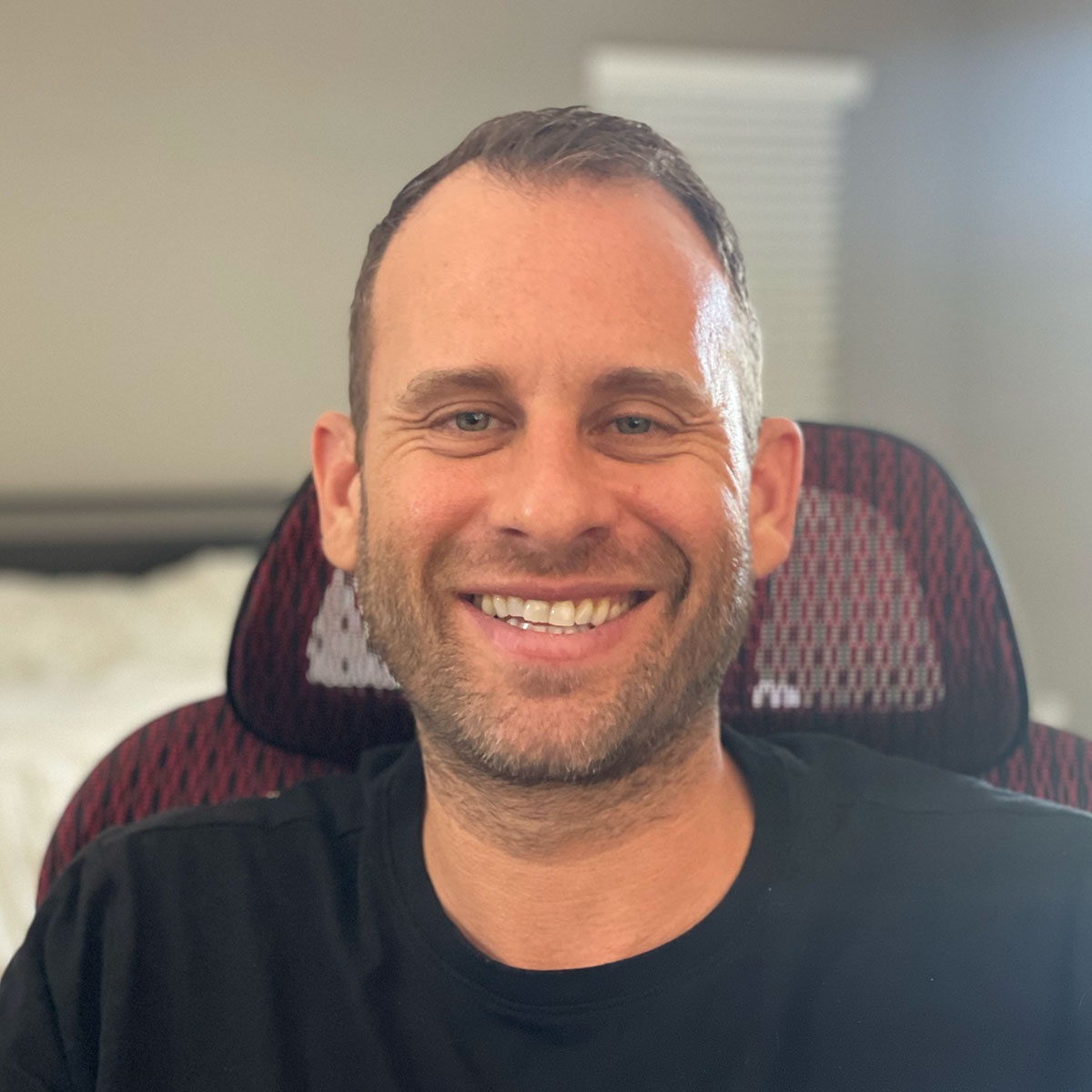
Written by Mike Boshnack
Corrective Exercise Specialist · Posture Guy Mike
Mike Boshnack grew up skateboarding and surfing, trained MMA, and rode road bikes competitively, before a shoulder injury put him on a path to postural correction. He's since helped thousands of athletes fix the specific postural patterns their sport creates, without surgery or passive treatments.
The mobile app is here.
Do your program on your phone, anywhere. Download free on iPhone or Android, or keep using it in your browser.
Related Conditions