
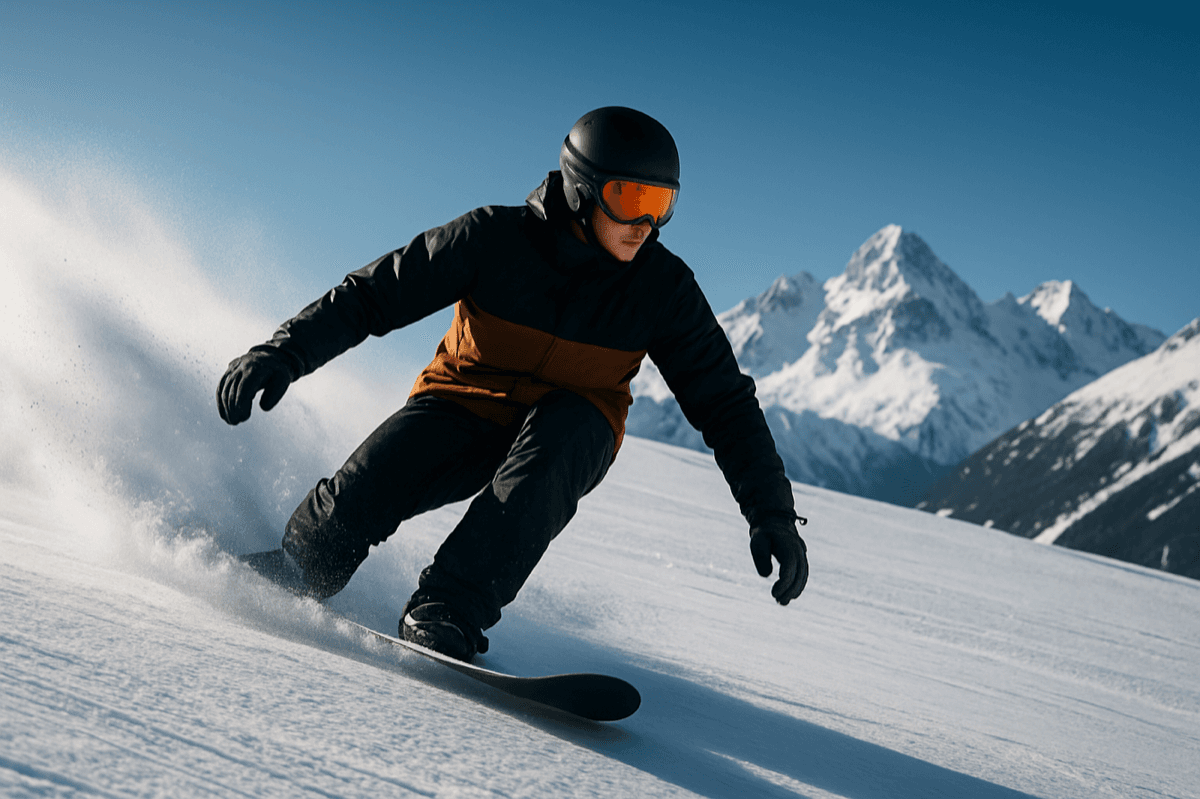
Snowboarding & Posture
Asymmetrical stance, hip rotation imbalance, impact compression
Updated May 2025
What Snowboarding Does to Your Body
Snowboarding demands constant lateral hip rotation, ankle dorsiflexion, and thoracic rotation, all in an asymmetrical stance that biases one direction every run. Falls compress the spine and coccyx. A season on the mountain without corrective work creates rotational imbalances and joint compression that accumulate year over year.
The Specific Structural Changes
Asymmetrical stance creates hip rotation imbalance
Your regular or goofy stance means your front hip leads every carve. The front hip external rotates while the back hip internally rotates, in the same pattern, on every turn. Over a season, this creates measurable asymmetry in bilateral hip rotation.
Falls compress the coccyx and lumbar
Heel-side falls, the most common fall in snowboarding, land on the tailbone. This compresses the coccyx and sacrum and, over a career of falls, contributes to lumbar tightness and sacroiliac joint dysfunction.
Ankle loading in snowboard boots creates limited dorsiflexion
Snowboard boots hold the ankle in a specific position under load for hours. Post-boot, ankle dorsiflexion is often temporarily reduced, and chronically reduced over a long season without specific ankle work.
Common Injuries in Snowboarding
These aren't random injuries. They're the predictable result of the structural patterns snowboarding creates.
- Wrist fractures from falls
- Coccyx and tailbone bruising
- Knee ligament injuries
- Ankle sprains
- Hip flexor strains from edging
- Lower back pain
Why posture matters for performance
Bilateral hip rotation symmetry means more powerful and balanced carves in both directions. Ankle mobility means better edge control and more responsive board feel. Spinal decompression after a day on the mountain means you recover faster for tomorrow's session.
The Snowboarding Program
The Snowboarder's Posture Fix addresses hip rotation asymmetry, ankle mobility, spinal decompression from falls, and the thoracic rotation that carving demands.
What Snowboarding Athletes Actually Deal With
These are the injuries and pain patterns that come up in every snowboardingforum, group ride conversation, and training camp. Here's how each one connects back to structural alignment, and what you can do about it.
Wrist fractures from falls (the #1 snowboard injury)
Wrist fractures are the defining injury of beginner and intermediate snowboarding, the FOOSH (fall on outstretched hand) mechanism transfers fall energy directly to the distal radius and ulna. Wrist guards dramatically reduce fracture rates, but the injury remains extremely common. After a fracture, the wrist mechanics and the shoulder's relationship to the arm rarely return to baseline without intervention.
Posture connection: Post-wrist fracture, the body guards the wrist by subtly guarding the entire arm, internal shoulder rotation, slight elbow flexion, reduced arm swing on the affected side. If this protective pattern isn't addressed during recovery, it becomes a structural default that shows up as shoulder asymmetry and cervical compensation.
Tailbone injuries (coccyx fracture/bruising)
Backseat falls, landing on the seat of your pants on a hard slope, are snowboarding's other signature beginner injury. The coccyx takes the impact, and a bruised or fractured tailbone can be painful for months. Beyond the direct injury, the altered sitting and movement pattern from protecting the tailbone affects pelvic alignment.
Posture connection: A coccyx injury changes how people load their seat, they shift weight forward to avoid sitting on the tailbone. This anterior shift creates pelvic anterior tilt and hip flexor loading. Even after the coccyx heals, the compensatory movement pattern often remains. Pelvic position work restores neutral sitting mechanics.
Knee MCL sprains from heelside catches
The heelside edge catch, when the heel catches unexpectedly and the snowboarder falls backward and to the side, is the mechanism for most snowboard knee injuries. The knee takes a valgus force in the fall, straining the medial collateral ligament. It's less devastating than an ACL tear but still takes weeks to months of recovery.
Posture connection: MCL injury risk is higher with poor hip control, when the gluteus medius can't stabilize the pelvis on the riding side, the knee drops into valgus during asymmetrical loading, which is exactly what a heelside catch creates. Hip stabilization work reduces the valgus knee position that MCL injuries require.
Questions from the Snowboarding Community
Why do my hips feel so sore after a full day of snowboarding?
Snowboarding's binding angle creates a fixed external rotation of both feet, which changes the loading pattern through the hips compared to how they normally work. A full day of riding in this position fatigues the hip external rotators and can cause post-ride hip soreness, especially if there's any existing hip flexibility restriction. Hip mobility work specific to the rotational demands of riding addresses this.
My back is always sore the day after riding. Is this from the falls or the riding position?
Both contribute. The riding position, slightly flexed hips, asymmetrical stance, loads the lumbar spine in a way that accumulates over a day. Falls add direct compressive shock. The riders who recover best are those who address the hip flexor tightening and lumbar compression that riding creates, rather than just waiting for it to resolve.
Frequently Asked Questions
Should I do this at the end of the ski day?
Yes, especially the static back decompression work. After hours in a snowboard boot on hard runs, 10 minutes of spinal decompression dramatically improves how you feel the next morning.
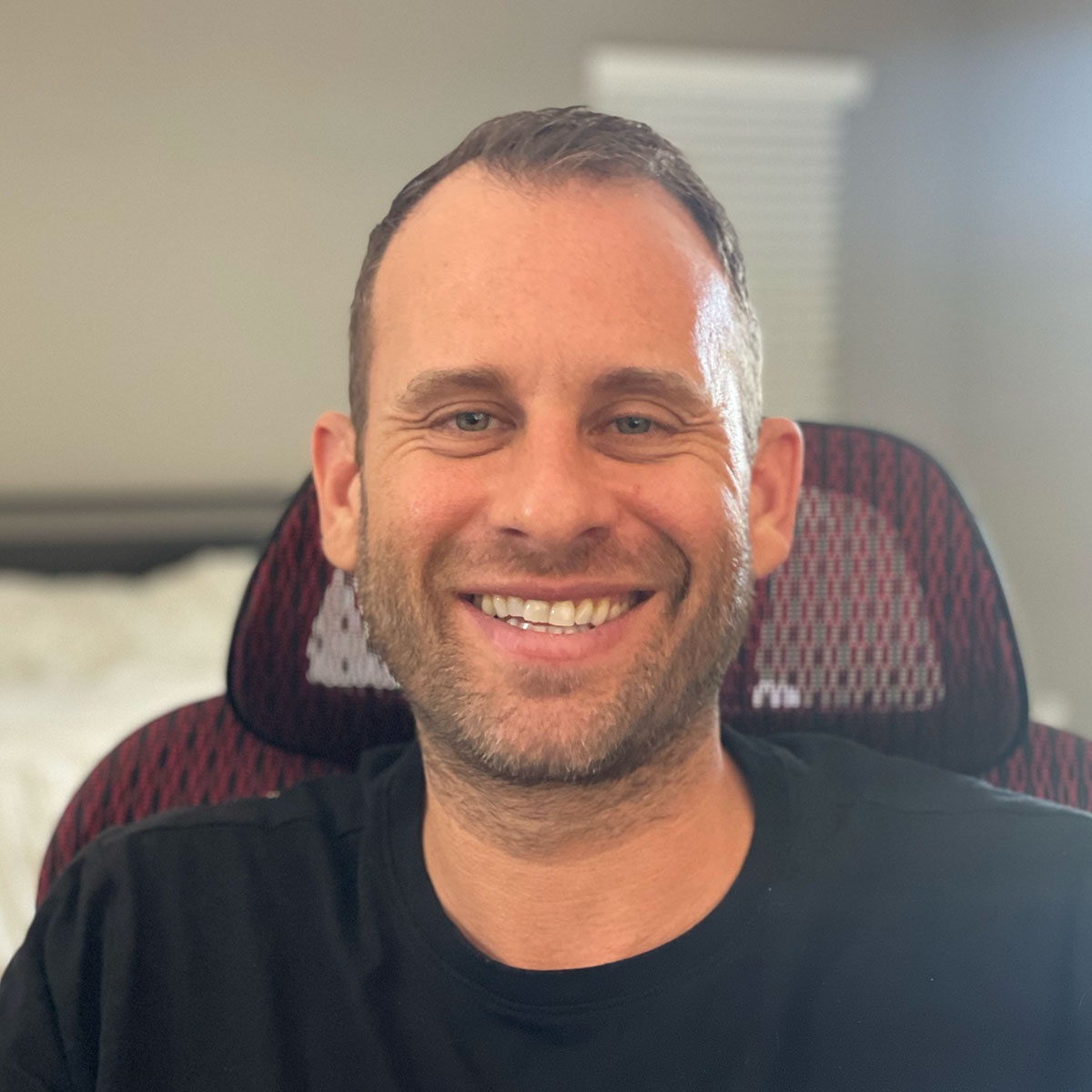
Written by Mike Boshnack
Corrective Exercise Specialist · Posture Guy Mike
Mike Boshnack grew up skateboarding and surfing, trained MMA, and rode road bikes competitively, before a shoulder injury put him on a path to postural correction. He's since helped thousands of athletes fix the specific postural patterns their sport creates, without surgery or passive treatments.
The mobile app is here.
Do your program on your phone, anywhere. Download free on iPhone or Android, or keep using it in your browser.
Related Conditions