Hip Hinge (Bodyweight Deadhinge)
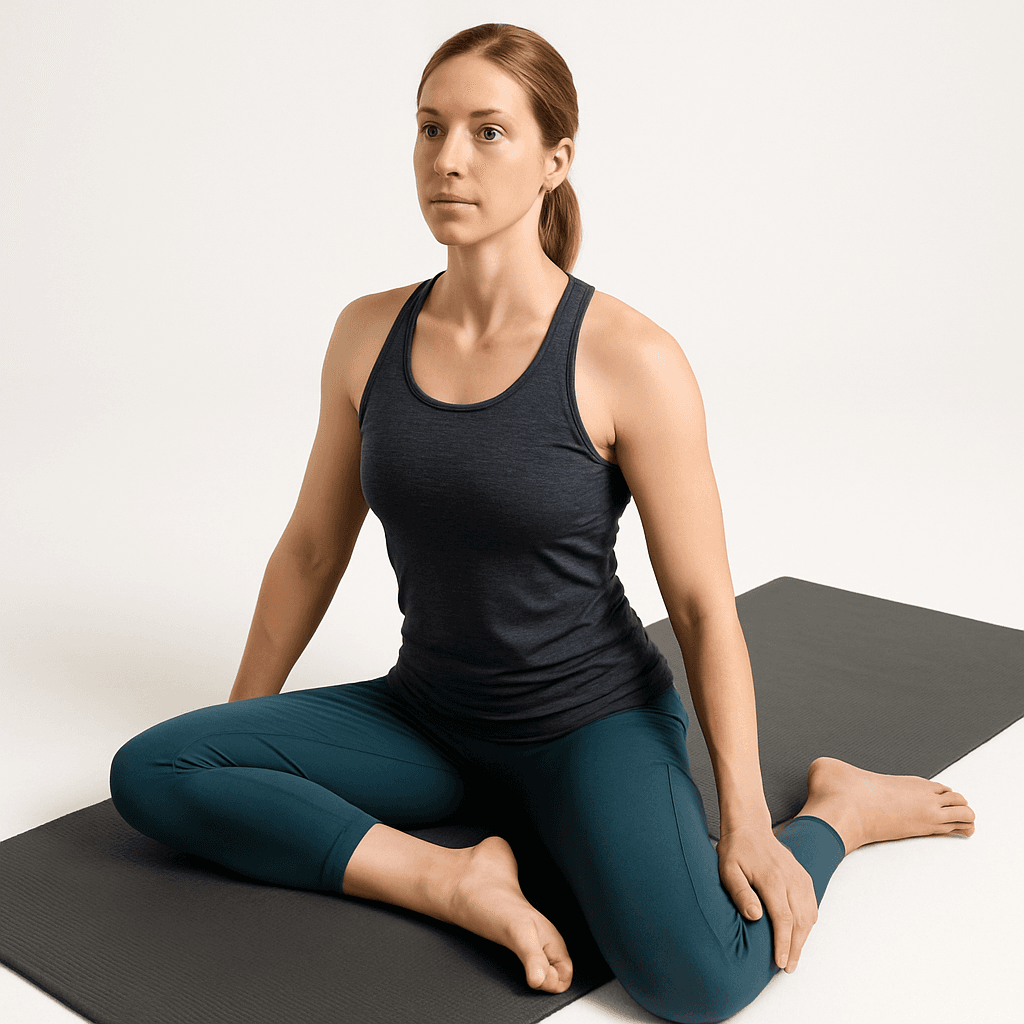
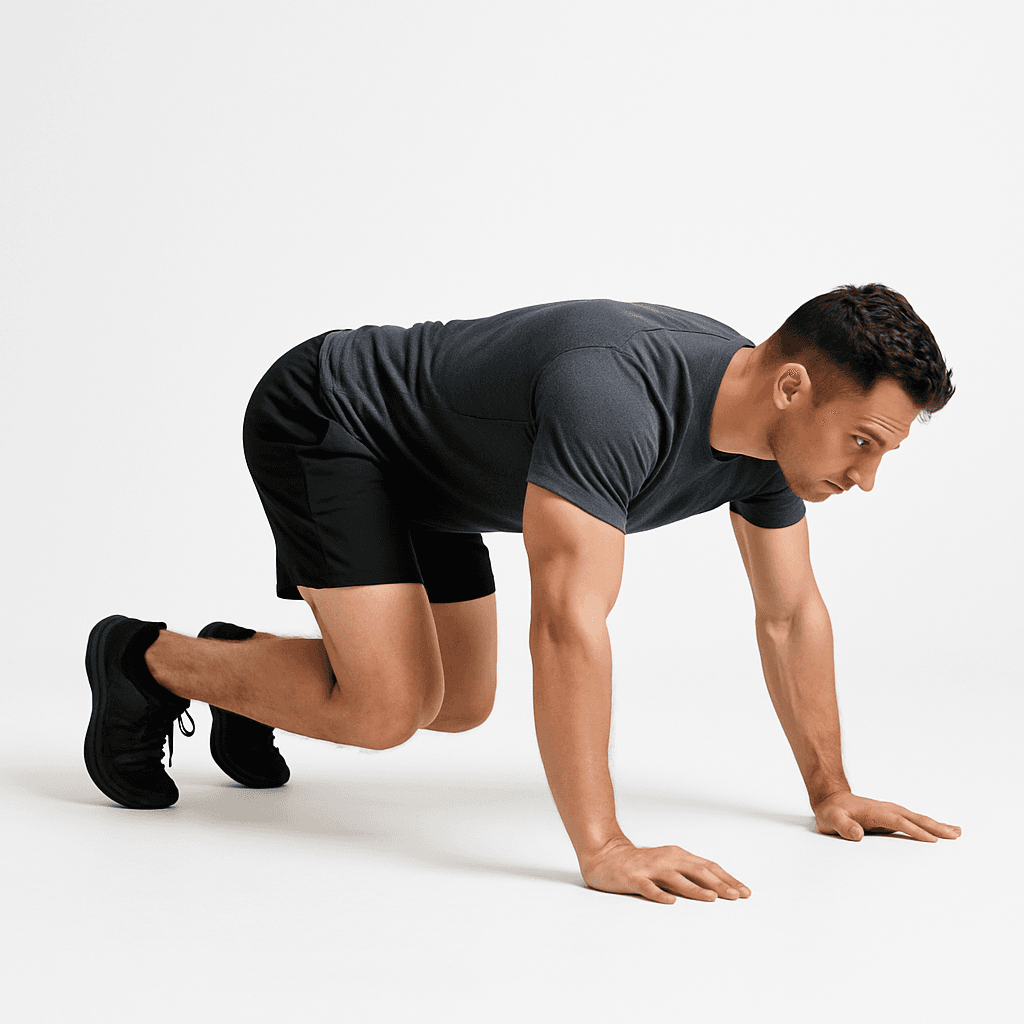
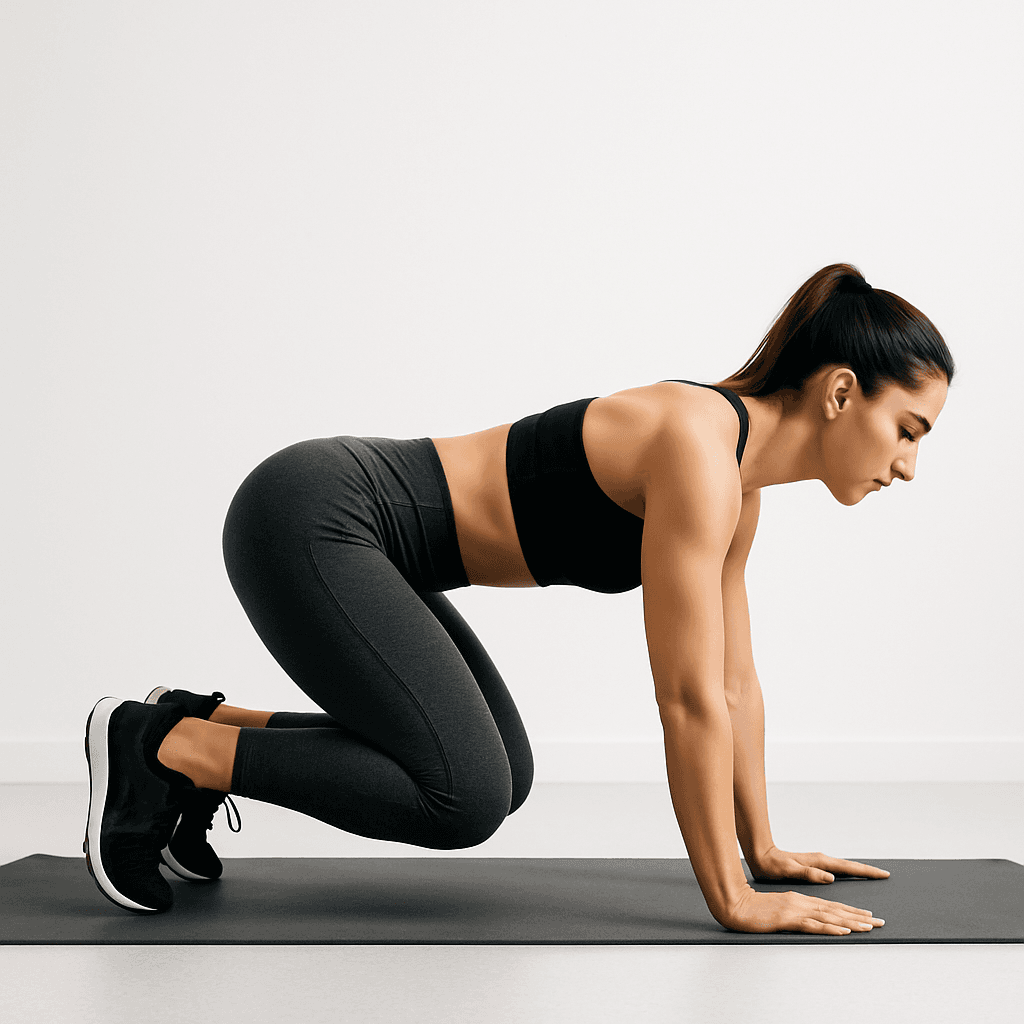
The bodyweight hip hinge is a no equipment exercise where you push your hips back with a flat back, so your glutes and hamstrings do the work instead of your lower back. Do 3 sets of 10 to 12 slow, controlled reps with your arms crossed on your chest.
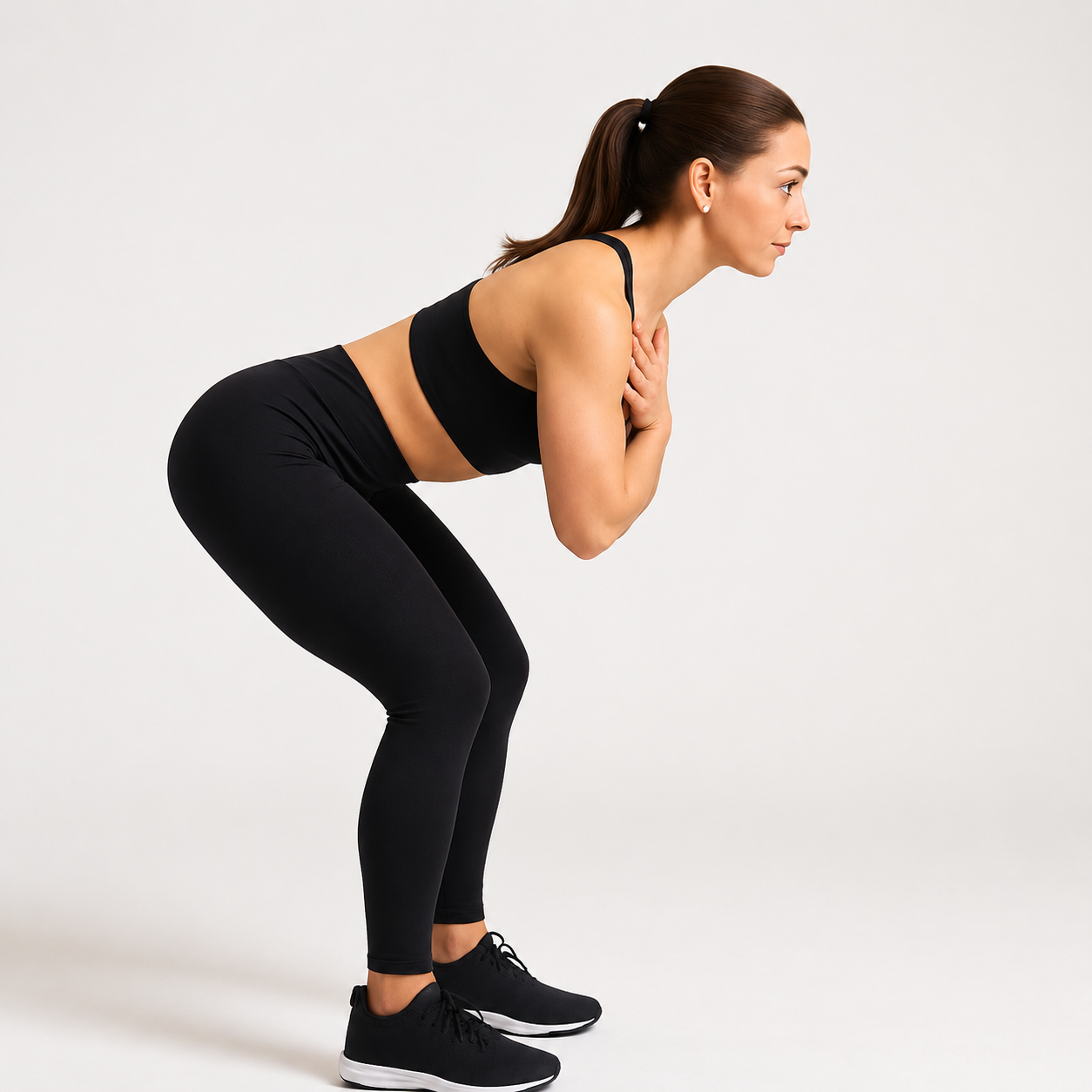
How to do it
- 1
Stand with feet hip-width apart and a slight bend in the knees.
- 2
Cross your arms and place them on your chest.
- 3
Push your hips straight back as you hinge forward, keeping your back flat.
- 4
Maintain a neutral spine as your torso lowers. You should feel a stretch in your hamstrings.
- 5
Drive through your heels and squeeze your glutes to return to standing.
Mike's coaching cues
- Think of your hips as a door hinge and your torso as the door: the door swings, the frame doesn't bend.
- Take a breath in and push your hips straight back, keeping your back flat and your spine neutral the whole time.
- Don't let this turn into a squat, because the focus is on pushing the hips back, not bending the knees.
- You should feel a good stretch through your hamstrings and nothing in your lower back.
- Squeeze your glutes and drive your hips forward to stand back up tall.
Easier option
If balance or depth is tricky, do this with a chair behind you. Hinge back until you lightly touch the seat, then stand. The chair teaches the movement safely.
Benefits
- Teaches safe loading of the posterior chain under spinal neutral
- Reduces lower back injury risk by replacing lumbar flexion with hip hinging
- Activates glutes and hamstrings as the primary movers rather than the lower back
Common mistakes
- Rounding the lower back during the hinge, the spine must stay neutral
- Squatting the hips down instead of hinging them back
- Locking the knees completely straight, which forces the lower back to compensate
Common questions
What is a good bodyweight hip hinge drill for beginners?
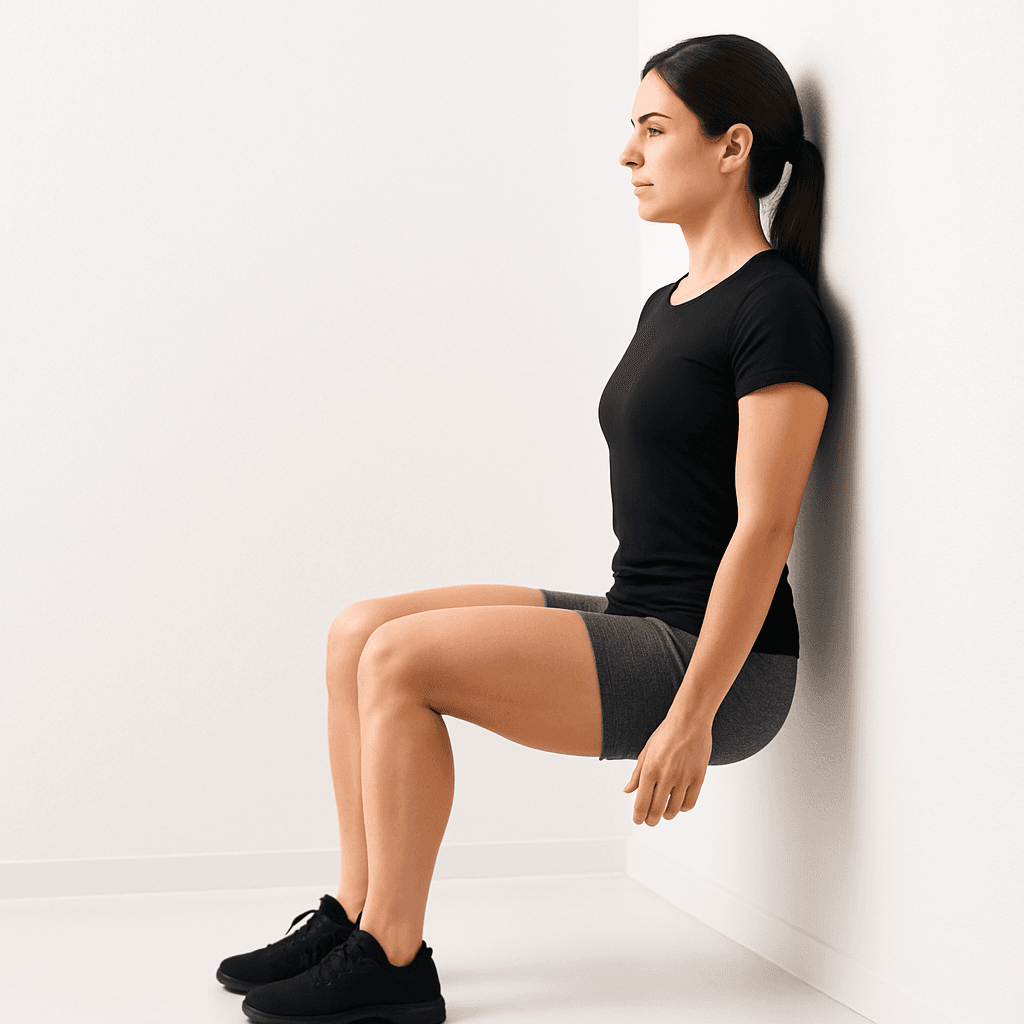
Try the wall hinge. Stand about six inches in front of a wall facing away from it, push your butt back until it taps the wall, then squeeze your glutes to stand. If balance is tricky, hinge back until you lightly touch a chair seat behind you instead.
How do I know if my hip hinge form is correct?
Hold a broomstick flat along your back so it touches the back of your head, your upper back and your tailbone. Keep all three points touching as you hinge down and come up. If the stick peels off your head or tailbone, your spine moved.
Why do I feel the hip hinge in my lower back?
Usually your spine is rounding or your knees are locked straight, so your lower back takes over. Keep a slight bend in the knees, reset and go slower, and aim to feel it in your hamstrings.
What is the difference between a hip hinge and a squat?
In a squat your hips drop down and your knees bend a lot. In a hip hinge your hips push straight back with only a slight knee bend, so your hamstrings and glutes do the work.
How many bodyweight hip hinges should I do?
Do 3 sets of 10 to 12 reps, nice and controlled. Quality matters more than speed, so stop the set if your back starts to round.
When can I add weight to a hip hinge?
Once your bodyweight hinge is clean with the dowel check, you can hold a light kettlebell or a backpack with some books in it. Earn it first, because a loaded bad hinge is just a faster way to get hurt.
Target areas
Good for
Used in these programs
Get the full guided program, with video walkthroughs for every exercise.
Find Your ProgramBrowse all programs →