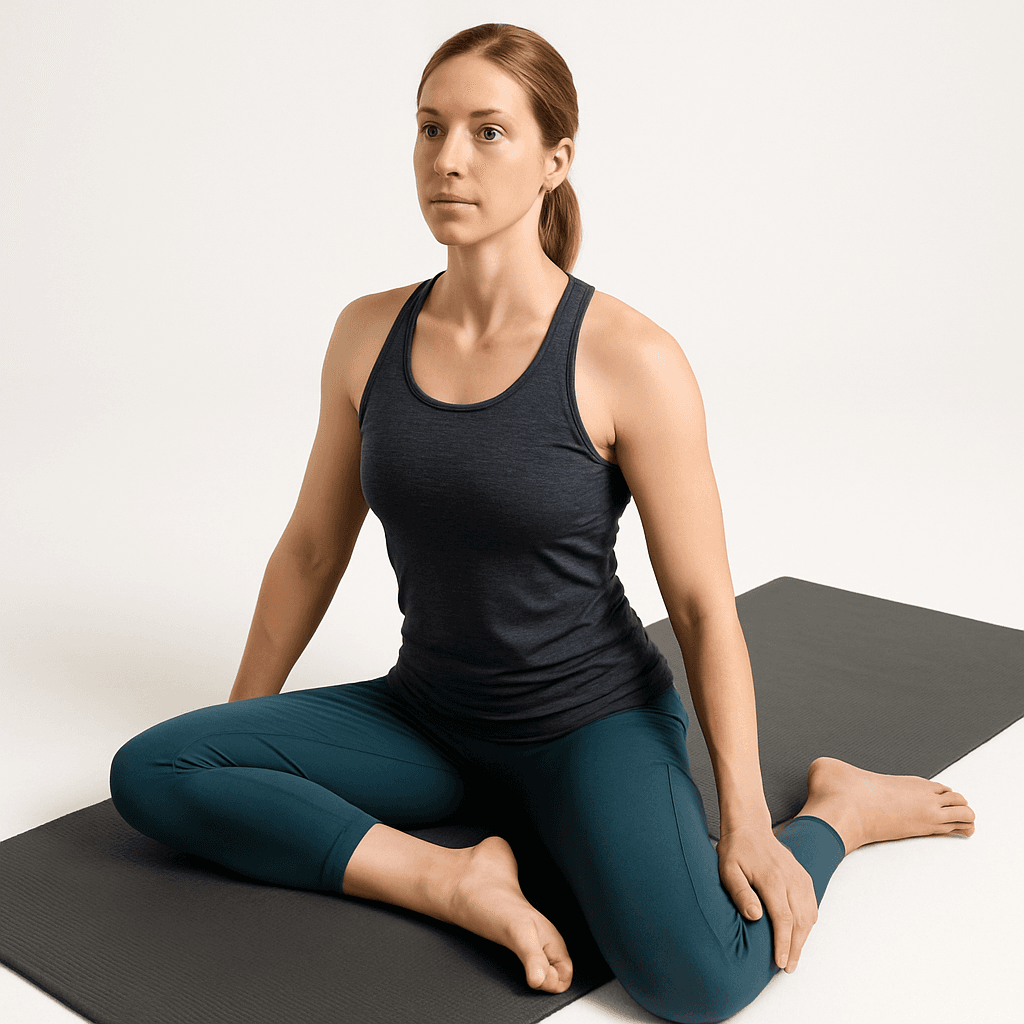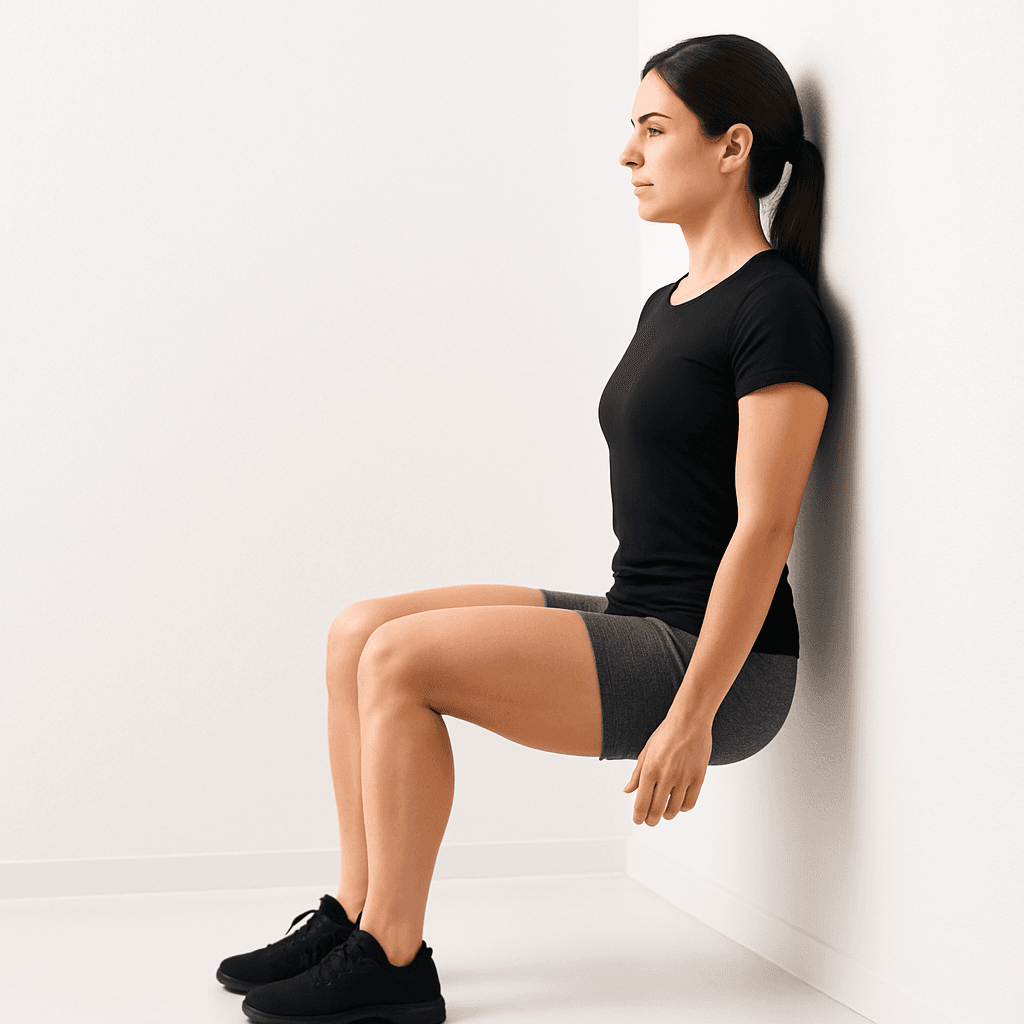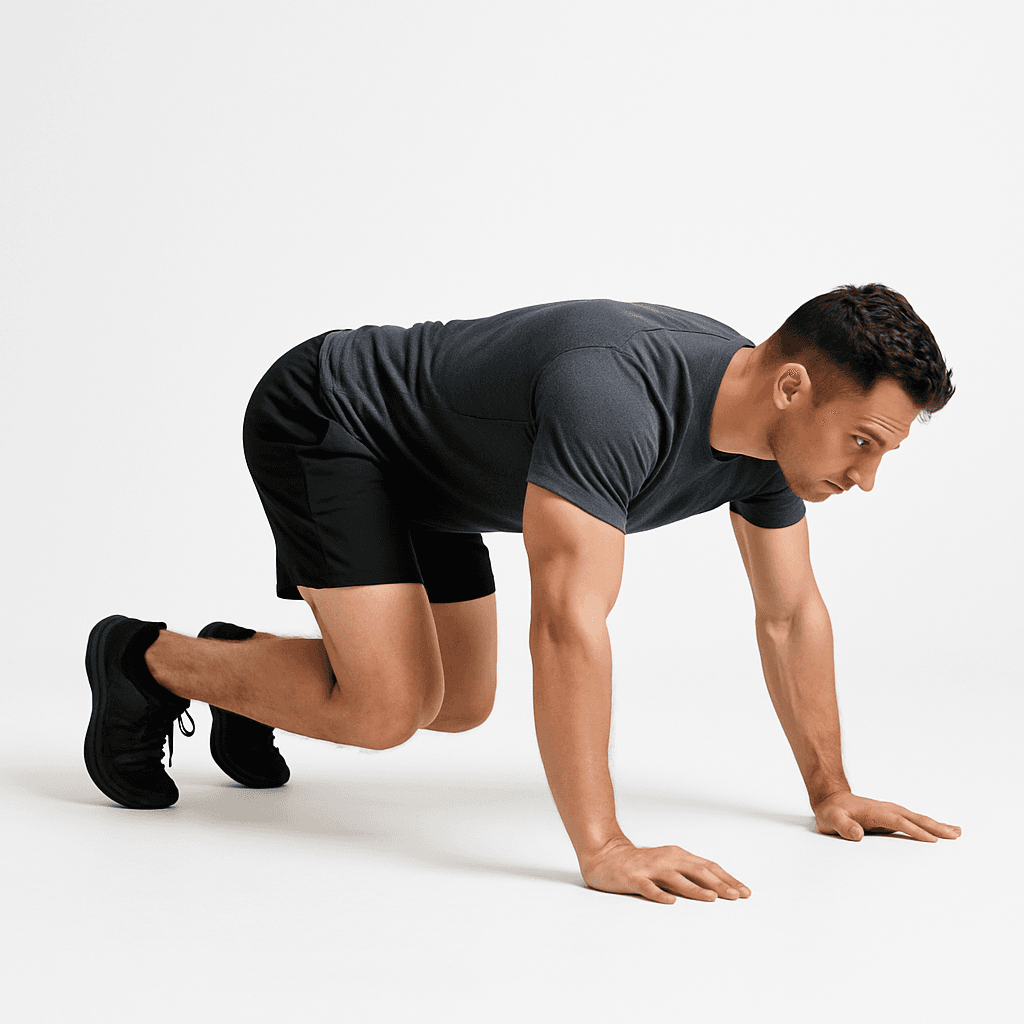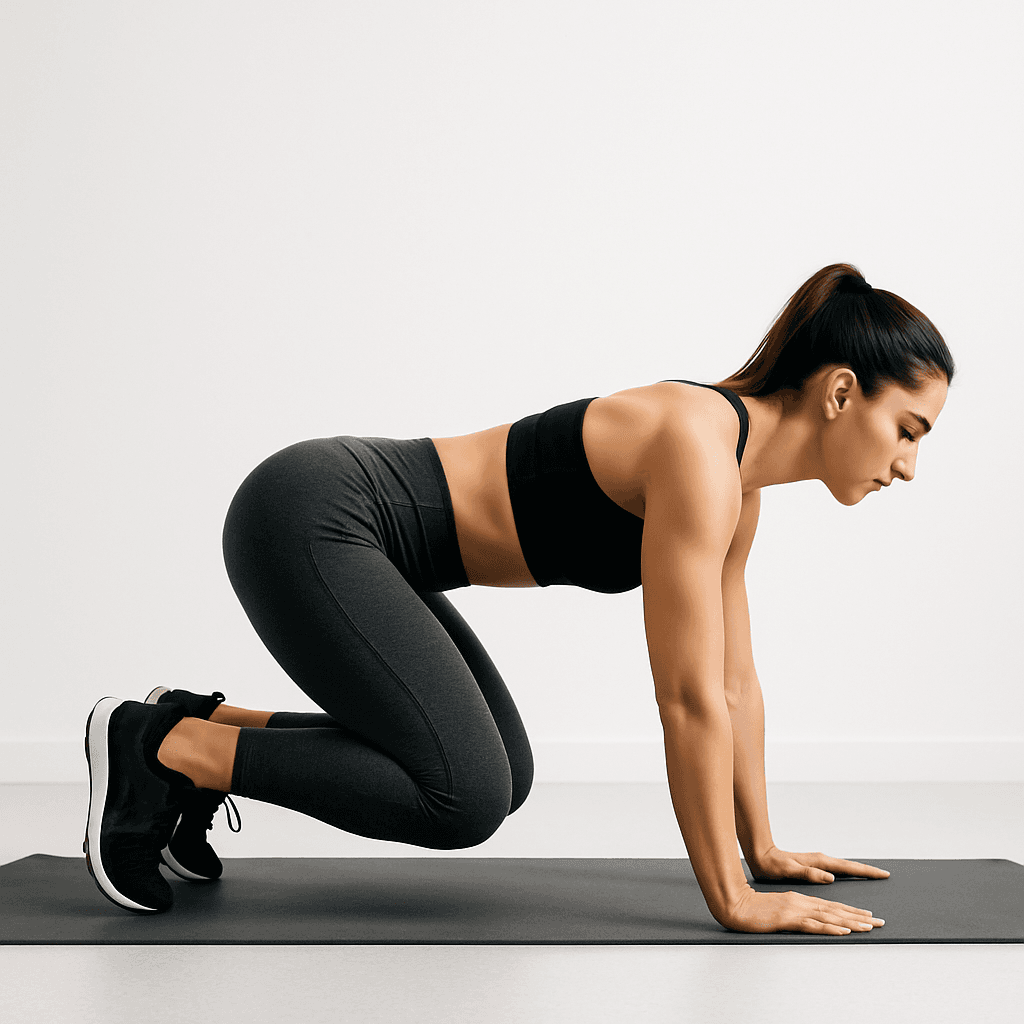
Side Plank
Supported on one forearm and the side of the foot, you hold a lateral body bridge that trains the quadratus lumborum, lateral hip, and obliques to prevent lateral spine bending. The side plank is one of Stuart McGill's Big 3 for evidence-based lower back rehabilitation.
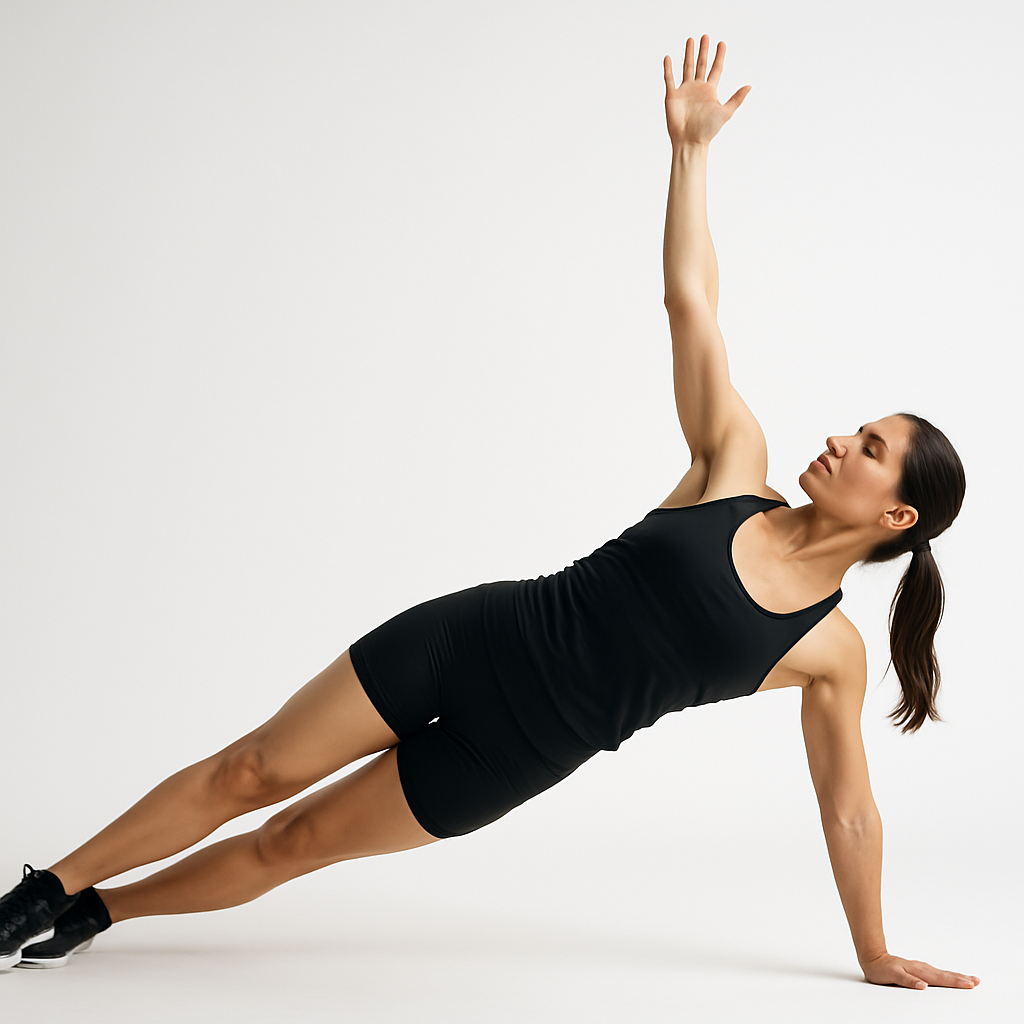
How to do it
- 1
1. Lie on your side with your forearm on the ground, elbow directly beneath your shoulder, and legs extended.
- 2
2. Stack your feet or place one foot in front of the other for stability, keeping your body in a straight line from head to heels.
- 3
3. Engage your core and lift your hips off the ground, creating a lateral bridge supported by your forearm and foot.
- 4
4. Maintain a neutral spine—avoid rotating your torso forward or backward, and keep your top shoulder stacked above your bottom shoulder.
- 5
5. Hold this position while breathing steadily, ensuring your hips stay elevated and aligned with your shoulders and ankles.
- 6
6. Lower your hips back down gently and repeat on the other side.
Easier option
If the full side plank is too much, drop your bottom knee to the floor and lift your hips from there. You still get the work with much less load.
Benefits
- Strengthens the quadratus lumborum and lateral core muscles to stabilize the spine and prevent lateral flexion during daily movement.
- Reduces lower back pain by building the deep stabilizer muscles that support spinal alignment and reduce compensatory stress.
- Improves postural control and balance by training the hip abductors and obliques to maintain upright posture during standing and walking.
Common mistakes
- Allowing your hips to sag or rotate, breaking the straight-line alignment and reducing core engagement effectiveness.
- Positioning your elbow too far forward or backward relative to your shoulder, which shifts load away from the core and strains the shoulder.
- Holding your breath instead of breathing steadily, which increases tension and reduces the duration you can maintain proper form.
Target areas
Used in these programs
Get the full guided program, with video walkthroughs for every exercise.
Find Your ProgramBrowse all programs →